Roadmap To Sustainable Komodo Yacht Tourism 2027
The sustainable komodo yacht tourism roadmap 2027 centers on three measurable shifts: at least 30–50% fuel reduction per guest-night via hybrid engines, mandatory eco certification for komodo yacht operators on key routes by late 2027, and formal partnerships directing a percentage of charter revenue into Komodo National Park conservation and community programs.
How will 2027 conservation policies actually change Komodo yacht itineraries day by day?
By 2027, the sustainable komodo yacht tourism roadmap 2027 is expected to hardwire conservation into daily operations rather than treat it as an add‑on. Draft zoning discussions for Komodo National Park indicate tighter limits on anchoring near sites like Padar Island, Pink Beach, and Komodo Island, plus capped daily visitor numbers during the July–September peak season, when seas are calmest and underwater visibility is highest.
Practically, eco friendly komodo yacht charter routes will stretch their timings: more sunrise and late‑afternoon landings to avoid mid‑day crowding, and longer overnight moorings in low‑impact bays with suitable depths and sand bottoms. Captains will increasingly rely on detailed charts of currents in komodo for yacht anchoring, because misjudging tidal flows around Rinca or narrow channels can damage coral and raise fuel use.
From Benoa Cruise Ship Terminal in Bali to Labuan Bajo, Flores, itineraries will also be reshaped by stricter weather windows. March–April and November shoulder seasons may see more flexible routing to reduce risk, supported by better briefings tied to published guidance on weather and climate risks for komodo yachts 2027. The net effect: slightly fewer stops, but higher‑quality, lower‑impact time at each site.
What new sustainability standards will yachts need to meet by 2027?
Eco certification for komodo yacht operators is moving from “nice to have” toward baseline. While Indonesia has not yet published a numbered national green‑yachting regulation, port authorities in hubs such as Benoa and Labuan Bajo are encouraging adoption of regional and global marine sustainability standards, especially for vessels serving Komodo National Park.
Sanitation standards komodo yacht kitchens are one priority. Expect 2027 criteria to require closed‑loop greywater treatment, strict waste segregation, and traceable sourcing of fresh produce from Labuan Bajo suppliers to cut long supply chains from Ngurah Rai International Airport in Bali. Kitchen inspections tied to charter renewals are anticipated, particularly for larger liveaboard vessels.
Safety will also be more tightly audited. Up‑to‑date komodo yacht radio and navigation gear, AIS tracking, and more accurate depth sounders will support safer, lower‑impact navigation through shallow reef systems. Verified operators already emphasize certified guides and compliance with “izin terverifikasi” tiers; by 2027, similar third‑party sustainability tiers are likely to be referenced in booking platforms and park permits, making it easier for guests to identify a genuinely eco friendly komodo yacht charter.
How will photography, drones, and citizen science be handled under 2027 rules?
Photography‑led trips are growing fast, and policies are following. Park authorities have already signaled concerns about unregulated drones. Emerging drone photography komodo yacht policies are likely to include altitude caps, mandatory buffer zones around Komodo dragons, nesting birds, and manta cleaning stations, and possible time‑of‑day restrictions near Padar Island view points.
For guests choosing the best komodo yacht tour for photographers, 2027 will reward slow, patient approaches: longer blue‑hour anchorages, more emphasis on birdwatching from deck komodo islands at dawn, and stabilized tenders for low‑wake shoreline work. Expect charters to brief guests carefully on what is permitted in UNESCO‑listed areas, particularly in breeding seasons.
On the positive side, citizen science snorkeling komodo yachts are likely to feature more prominently. Operators can partner with NGOs to log reef health, manta IDs, and water temperatures during the April–November main sailing window, when seas are clearest. That data feeds back into conservation planning, while giving photographers and snorkelers structured ways to contribute, not just consume.
What role will sponsorships and local partnerships play in 2027 sustainability?
The roadmap assumes tourism must fund protection. Sponsorships with komodo conservation programs are expected to become standard line items in 2027 charter budgets, especially for higher‑end Bali–Komodo itineraries. As of August 2026, some multi‑day luxury charters already allocate a percentage of each voyage to ranger support or waste‑management projects near Labuan Bajo.
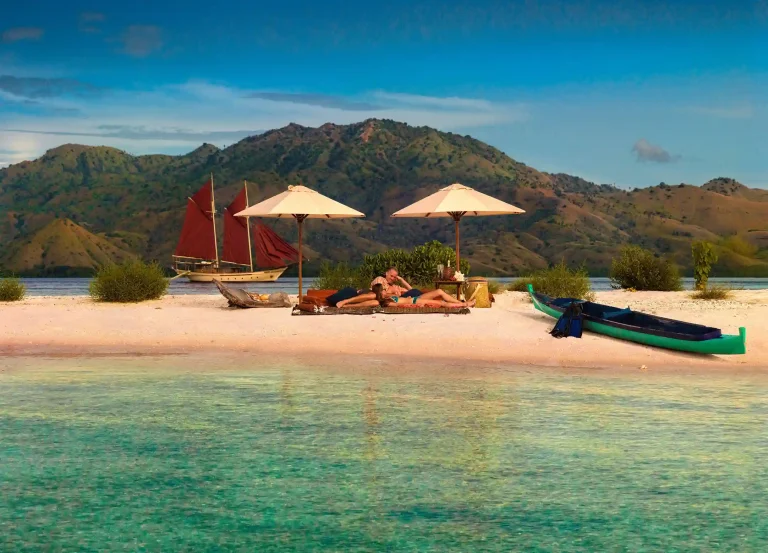
Examples include funding community patrol boats, backing beach clean‑ups at Pink Beach, and supporting school programs that train young locals for careers as certified guides. These partnerships make eco claims verifiable: guests can be shown which Komodo National Park initiative their charter helped finance and how much was contributed.
Part of the roadmap also connects sustainability to risk management. A yacht that invests in local training, clear environmental protocols, and proper asuransi yacht komodo travel insurance 2027 focus is better prepared for weather disruptions, medical incidents, or park‑rule changes. Tourists benefit through clearer cancellation terms and continuity of service even when regulations tighten.
How will activities like kayaking, snorkeling, and land walks evolve by 2027?
Low‑impact activities are rising up the priority list. A komodo yacht tour with kayaking activities allows guests to explore mangroves and quiet coves without engine noise. By 2027, expect park briefings to highlight recommended paddle zones, speed limits for tenders, and etiquette for passing close to shorebird roosts or turtle nesting beaches.
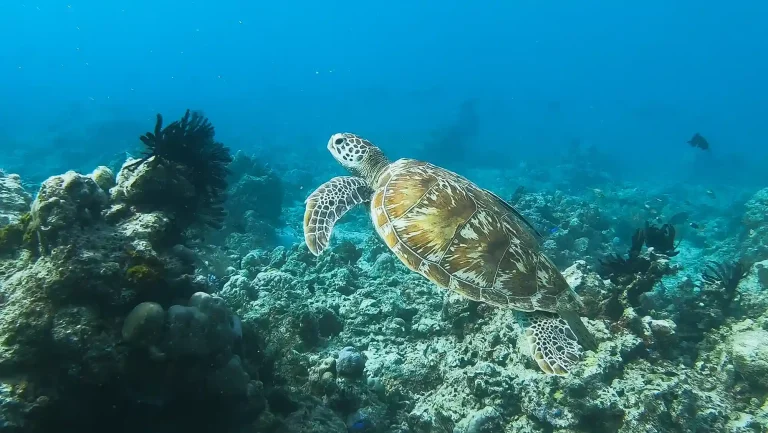
Guided snorkel sessions will likely integrate mini briefings on coral‑safe finning and reef chemistry before guests step off the yacht. With July–August remaining peak months for underwater visibility, group sizes per guide may be capped to protect fish and manta feeding areas. This fits naturally with citizen science snorkeling komodo yachts, where small teams collect data instead of drifting chaotically over sensitive sites.
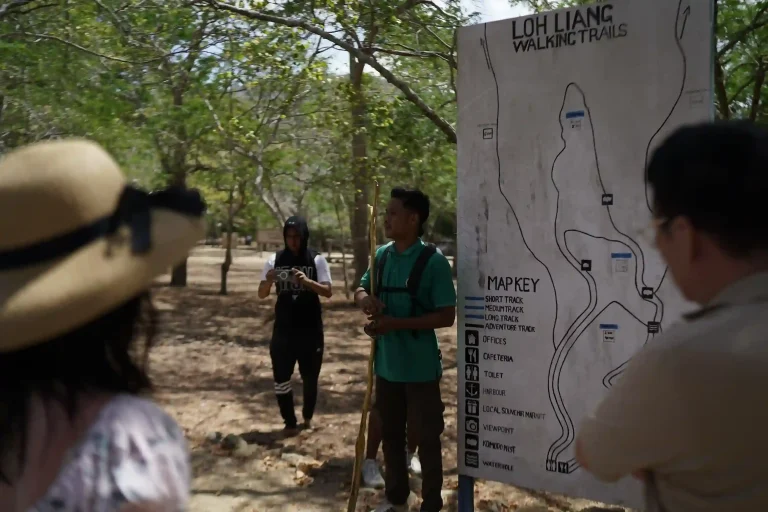
On land, dragon‑viewing tracks around Komodo Island and Rinca may become more defined, with seasonal closures in sensitive zones. For families, operators will design more family friendly komodo yacht routes in 2027, focusing on shorter hikes, shaded rest stops, and interpretive talks that make conservation tangible for younger travelers.
How will pricing and value change for eco‑conscious Bali–Komodo yacht trips?
Stronger sustainability will not automatically mean luxury pricing, but some shifts are clear. As of August 2026, published reference prices span from about US$2,813 for a 2‑day charter from Labuan Bajo to over US$31,300 for a 9‑day Aqua Blu Bali–Komodo cruise on specific June 2026 departures. Many private 3D2N Bali–Komodo charters start from roughly US$6,000.
By 2027, hybrid engines, upgraded waste systems, and certified crews will increase operating costs, so eco friendly komodo yacht charter rates may trend slightly higher than basic fuel‑heavy boats. However, the roadmap stresses more value per day: fewer rushed stops, better naturalist guiding, safer routing, and measurable conservation contributions built into the fare.
Travelers comparing a komodo yacht tour vs komodo boat tour will see clearer distinctions in 2027. “Boat tours” may remain simpler, shorter, and more budget‑focused from Labuan Bajo, while “yacht tours” emphasize multi‑day liveaboard comfort, stricter environmental protocols, and better‑equipped vessels for navigation, safety, and photography support on longer Bali–Komodo crossings.
- Typical 3D2N Komodo liveaboard charters as of August 2026: starting around US$6,000 per yacht, depending on size, season, and level of service.
- Reference 2‑day Labuan Bajo yacht charter as of August 2026: listed from about US$2,813 for a private vessel, excluding flights to Komodo Airport (LBJ).
- Dry‑season window for most eco itineraries: April–November, with July–September offering the calmest seas and best underwater visibility.
- Standard safety kit by 2027: AIS, VHF komodo yacht radio and navigation gear, depth sounder, GPS, and emergency tender for beach landings.
- Operational route: Bali departures commonly use Benoa Cruise Ship Terminal, finishing in Labuan Bajo with transfers onward to Komodo Airport (LBJ).
- Waste policy trend: mandatory segregation, dry‑storage of non‑organics, and no‑discharge zones around coral cays and popular snorkel sites.
- Typical daily activity pattern: early‑morning hikes, midday rest on board, afternoon snorkeling, and sunset birdwatching from deck komodo islands.
Frequently asked questions
is komodo yacht tour worth it vs land tour
For many eco‑minded travelers, a liveaboard is the more immersive choice. Land tours from Labuan Bajo work for quick, lower‑budget visits, but yachts allow dawn and dusk access to quieter sites, safer timing around currents, and better control of waste and anchoring. Multi‑day trips also maximize snorkeling and wildlife chances over changing tides.
berapa harga 2 day komodo yacht tour?
Sebagai patokan, satu situs charter menampilkan harga mulai sekitar US$2.813 untuk 2 hari dari Labuan Bajo per Agustus 2026, untuk satu kapal privat. Harga 2027 bisa sedikit naik, tergantung ukuran yacht, musim (Juli–Agustus biasanya lebih mahal), level layanan, dan apakah sudah termasuk biaya taman nasional serta makan penuh di kapal.
berapa harga komodo yacht tour 2026?
Rentang 2026 cukup lebar. Data publik menunjukkan charter mewah multi‑hari 3D2N mulai sekitar US$6.000 per kapal, sementara cruise 9 hari Bali–Komodo dengan Aqua Blu bertiket dari US$31.300 untuk dua tamu pada tanggal tertentu Juni 2026. Tahun 2027 kemungkinan mengikuti pola serupa dengan penyesuaian inflasi dan fitur ramah lingkungan baru.
How do 2027 rules affect drone photography and deck birdwatching?
Expect stricter limits on drone zones, altitudes, and times, especially around nesting birds and Komodo dragons. Many yachts will require guests to log drone flights with the cruise director and comply with park guidance. By contrast, birdwatching from deck komodo islands remains low‑impact and encouraged, particularly at dawn and dusk using binoculars instead of drones.
How can I choose a yacht that fits the 2027 sustainability roadmap?
Look for clear eco certification for komodo yacht operators, transparent waste and fuel policies, modern navigation and safety gear, and visible sponsorships with komodo conservation projects. Ask how they handle currents in komodo for yacht anchoring, if they offer citizen science snorkeling komodo yachts, and how they compare their komodo yacht tour vs komodo boat tour options for different budgets.
To plan compliant, eco‑conscious komodo liveaboard yacht trips for 2027 and beyond, contact the Komodo Luxury desk via WhatsApp 628113823875 or email sales@komodoluxury.com for tailored route and vessel suggestions.
Last updated 1 August 2026
Keep reading
More from the journal
Travel Journal
Komodo National Park Drone Rules 2027: Permits, Fees & No-Fly Zones Explained
Yes, you can fly a drone in Komodo National Park, but only with a permit approved by the park authority…
Travel Journal
Komodo Yacht Tour January–April: The Honest Wet-Season Guide (Month by Month)
Yes, you can visit Komodo from January to April. The national park stays open year-round, and yacht tours run in…
Travel Journal
Komodo National Park Entrance Fee 2027: Every Permit, Ranger, and Activity Fee E
The Komodo National Park entrance fee in 2027 is IDR 150,000 (about USD 10) per person on weekdays and IDR…