Komodo National Park Drone Rules 2027: Permits, Fees & No-Fly Zones Explained
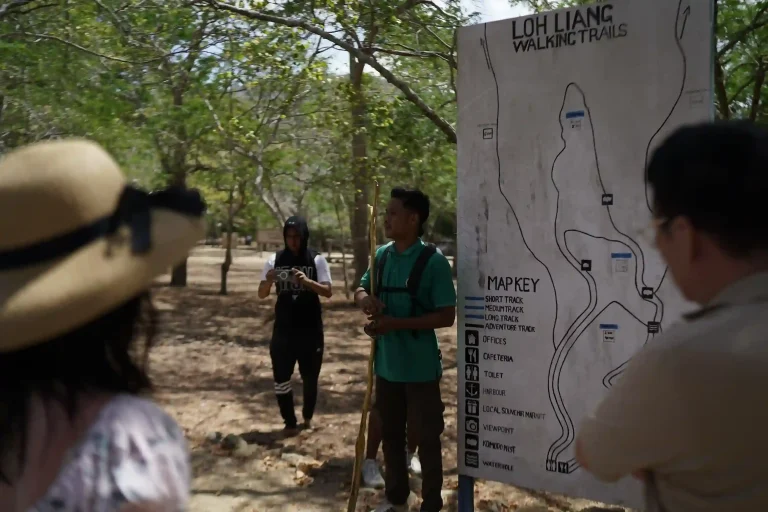
Yes, you can fly a drone in Komodo National Park, but only with a permit approved by the park authority (Balai Taman Nasional Komodo) before your trip. Recreational drone flying without a permit is prohibited, and rangers actively enforce the rule at Padar, Komodo Island, and Pink Beach. The permit requires an advance written application, typically 7-14 working days before arrival, plus a drone/documentation fee on top of the standard park entrance fee of IDR 650,000 per person. Dragon trekking areas are strict no-fly zones, and rangers can ground your drone at any site at their discretion.
Every week our crew at Komodo Yacht Tour meets photographers and content creators who arrive with a drone in their backpack and no idea the park treats it as a regulated activity. Some get lucky with a lenient ranger. Others have their drone confiscated until departure, or receive a formal warning that can complicate future visits. This guide explains exactly how the drone permit process works, what it costs, where you absolutely cannot fly, and what we expect the rules to look like through 2027 — based on operating charters inside the park since 2015.
Is Flying a Drone Legal in Komodo National Park?
Legal, yes — unregulated, no. Komodo National Park is a UNESCO World Heritage Site and an Indonesian national park, which means two layers of rules apply to your drone:
- National park regulations: Any filming, photography, or aerial documentation for commercial or professional purposes requires written approval (often called a SIMAKSI or filming/documentation permit) from the park office in Labuan Bajo.
- Indonesian aviation rules: Drones must stay under 120 meters (400 ft), within visual line of sight, away from aircraft flight paths, and never over crowds. The seaplane and helicopter traffic around Labuan Bajo in high season makes this more relevant than most visitors realize.
In practice, the park distinguishes between casual recreational flying and documentation flying — and increasingly treats all drone use as documentation that needs paperwork. If your footage will appear on YouTube, Instagram, or a client deliverable, assume you need the permit. Rangers have asked our guests to show their approval letter on Padar’s summit trail more than once.
The Komodo Drone Permit Process, Step by Step
Here is the process we handle for guests who book a private Komodo Signature charter with drone filming arranged:
- Submit a written application to Balai Taman Nasional Komodo (BTNK) in Labuan Bajo. The letter states your name, passport details, drone model and serial number, dates of your trip, the locations you want to fly, and the purpose (personal documentation, social media content, or commercial production).
- Attach supporting documents: passport copy, itinerary from your tour operator, and for commercial shoots a company letter or production brief. Foreign commercial crews may also need a filming permit from the Ministry of Tourism, which adds significant lead time.
- Wait for approval. Plan on 7-14 working days for standard documentation permits. Commercial production permits can take 3-4 weeks or more. Applying on arrival in Labuan Bajo rarely works — the office will tell you to wait, and your boat departs without approval.
- Pay the fee and carry the letter. Print a physical copy and keep a digital copy on your phone. Rangers at each site will want to see it before you launch.
Timing is the single biggest mistake we see. If your charter departs on the 20th, your application should be with the park office by the 5th at the latest. When guests book with us, we submit the paperwork on their behalf as soon as the deposit is confirmed — our standard terms are a 50% deposit due 14 days before departure (H-14), which conveniently matches the permit lead time almost exactly.
How Much Does a Komodo Drone Permit Cost?
Fees are set in Indonesian Rupiah and revised periodically, so treat these as planning figures for 2026-2027:
- Park entrance fee: IDR 650,000 per person (roughly USD 40-42), payable regardless of drone use. This covers conservation, trekking, and ranger services.
- Drone / documentation fee: typically an additional charge per drone per day or per trip, historically in the range of IDR 1,000,000-2,000,000 (about USD 60-125) for personal documentation, and substantially higher for commercial productions, which are quoted case by case.
- Ranger escort: some sites require a ranger present during flights; their fee is separate and paid locally.
Budget roughly USD 100-200 on top of your normal park costs for personal drone documentation across a 2-3 day trip. Commercial crews should budget from USD 500 upward and start paperwork a month out. Prices change — always confirm the current tariff when you apply, or ask us to confirm it for your dates.
No-Fly Zones and Ranger Discretion
Even with a valid permit, you cannot fly everywhere. These restrictions are enforced consistently:
- Dragon trekking areas on Komodo Island and Rinca: strict no-fly zones. Drone noise stresses the Komodo dragons and disrupts their natural behavior, and the park prohibits launching anywhere along the trekking trails or near ranger stations where dragons congregate.
- Over groups of visitors: Padar’s summit at sunrise can hold a hundred people on a narrow ridge. Flying directly over them is both a park violation and an aviation violation.
- Near wildlife: manta rays at Manta Point, nesting birds, and flying foxes at Kalong Island at dusk. Rangers will ground drones that harass wildlife immediately.
- Anywhere a ranger says no. This is the rule that surprises people: rangers hold final discretion at every site, permit or not. Weather, crowding, wildlife activity, or an ongoing patrol can all trigger a temporary ban. Argue and you risk losing the drone until you exit the park.
The good news: the most cinematic Komodo footage — Padar’s three bays, the pink sand curve of Pink Beach from offshore, your yacht at anchor in a turquoise channel — can all be captured legally from positions rangers routinely approve.
Launching From a Private Yacht vs Land
This is where chartering privately changes your options entirely. Launching from the deck of a private yacht anchored offshore gives you:
- Cleaner launch sites: no crowds, no sand in your motors, a stable platform (our crew positions the boat into the wind and holds station during launch and recovery).
- Angles land shooters can’t get: the classic top-down of the yacht over the reef, sunrise runs along Padar’s ridgeline from the seaward side, Pink Beach with zero people in frame at 6 AM.
- Flexible timing: on an open trip with a fixed schedule, you fly when the group schedule allows. On a private charter, we hold anchor an extra thirty minutes for the light. If you’re comparing formats, see our shared open trip Komodo sailing schedule — great value, but drone pilots consistently tell us the private format pays for itself in usable footage.
Important: launching from a yacht inside park waters still requires the same permit. The boundary of Komodo National Park extends over the sea, not just the islands. Your captain should know exactly where park waters begin — ours do, because Komodo Luxury has operated this route daily since 2015 across a fleet of nine owned-and-operated vessels plus chartered vetted partner vessels including Ayvara, Malca, and our flagship Komodo Signature.
Insurance and Liability
Indonesia does not currently mandate drone insurance for recreational pilots, but we strongly recommend two covers before flying in Komodo:
- Hull cover for the drone itself — saltwater landings are unrecoverable, and gusts funneling between islands catch pilots off guard. DJI Care Refresh and similar programs generally cover water damage if you can retrieve the drone; over open water you usually can’t.
- Third-party liability — if your drone injures a visitor or damages a vessel, you are personally liable under Indonesian law. Many travel insurance policies exclude drone operations; check the fine print or add a rider.
Commercial shoots should carry production insurance naming the park authority where required — this is increasingly requested during the permit process.
What to Expect From Komodo Drone Rules in 2027
Based on the regulatory direction since the park’s 2022 tariff restructuring, we expect 2027 to bring:
- Tighter enforcement, not a ban. The park has invested in more ranger presence at Padar and Loh Liang. Expect permit checks to become routine rather than occasional.
- Digital permitting. The park has been moving entrance ticketing online; drone documentation permits are a natural next step, which should shorten the lead time eventually — but don’t count on it for 2027 bookings yet.
- Possible fee revisions. Park fees have historically been adjusted every few years. Budget a margin above current figures if you’re planning a 2027 shoot now.
- Stricter wildlife buffers. Conservation studies on drone noise and dragon behavior may formalize minimum distances that are currently left to ranger judgment.
The Easiest Way: Let Us Handle It
For most guests, the simplest path is booking a charter where the operator manages the drone paperwork end to end. We submit your application, confirm the current fees, brief you on each site’s rules, and — if you’d rather stay behind the main camera — add a professional drone photographer to your charter as an add-on, with licensed equipment, an approved permit already in place, and edited aerial footage delivered after the trip.
Message us on WhatsApp at +62 811-3823-875 with your travel dates and drone model, and we’ll confirm the current permit fee, submit your application, and build your flying opportunities into the itinerary. Rates are quoted in USD, with a 50% deposit due 14 days before departure.
Frequently Asked Questions
Can I fly a drone in Komodo National Park without a permit?
No. All drone flying inside park boundaries — over land or park waters — requires prior written approval from the park authority. Flying without it risks confiscation of your drone until you leave the park, fines, and a formal warning. Rangers check permits at popular sites like Padar and Komodo Island, and enforcement has tightened every year.
How far in advance should I apply for a Komodo drone permit?
Submit your application at least 7-14 working days before your trip for personal documentation, and 3-4 weeks or more for commercial productions. Applications made on arrival in Labuan Bajo are rarely approved in time. If you book a charter with us, we handle the submission as soon as your deposit is confirmed, so the timeline takes care of itself.
Keep reading
More from the journal
Travel Journal
Komodo Yacht Tour January–April: The Honest Wet-Season Guide (Month by Month)
Yes, you can visit Komodo from January to April. The national park stays open year-round, and yacht tours run in…
Travel Journal
Komodo National Park Entrance Fee 2027: Every Permit, Ranger, and Activity Fee E
The Komodo National Park entrance fee in 2027 is IDR 150,000 (about USD 10) per person on weekdays and IDR…
Travel Journal
Is a Komodo Yacht Tour Worth It? An Honest Value Analysis
Yes — for most travelers, a Komodo yacht tour is worth it. Komodo National Park is only reachable by boat,…