Skip to content

Best Time Komodo Yacht Tour: May-October Dry Season Guide


The Best Time for a Komodo Yacht Tour: A Guide to the May-October Dry Season


The Best Time for a Komodo Yacht Tour: A Guide to the May-October Dry Season

Best Time Komodo Yacht Tour: May-October Dry Season Guide

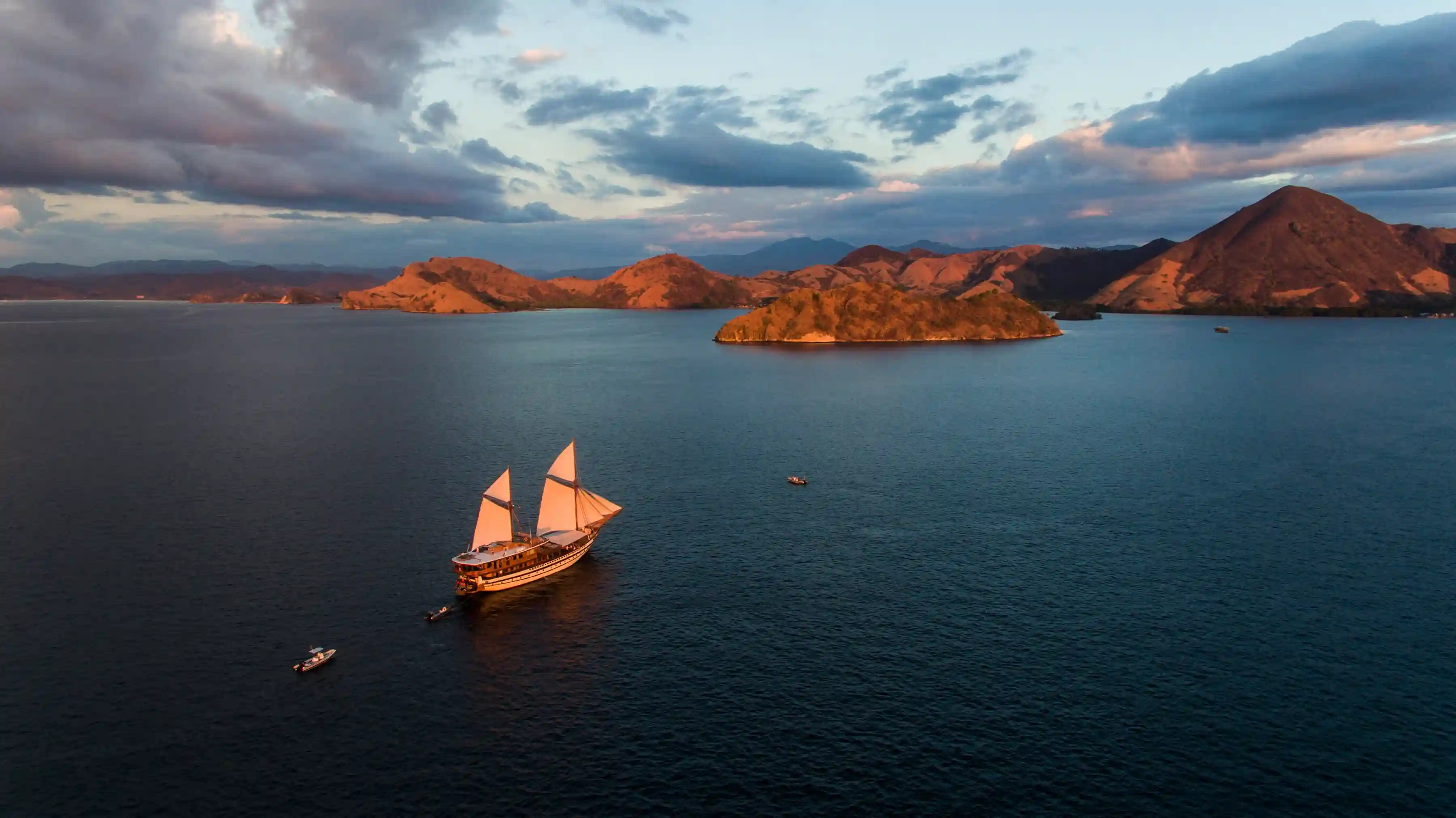
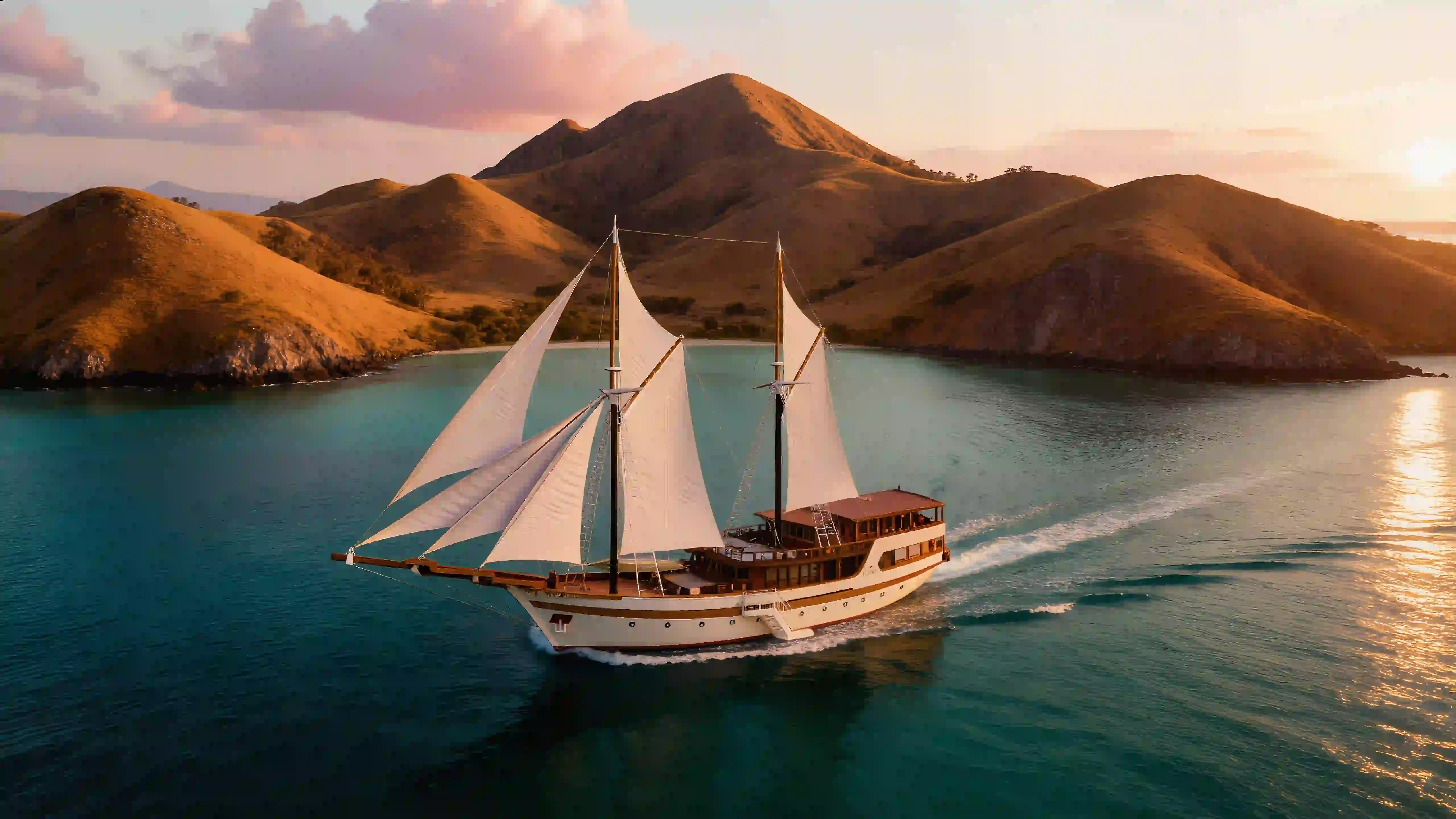
The day begins not with an alarm, but with the gentle lapping of the Flores Sea against the ironwood hull of a phinisi schooner. On the polished teak deck, the air is warm and carries a faint scent of salt and clove. In the distance, the volcanic cone of Sangeang Api pierces a soft, pre-dawn sky. This is the singular experience of exploring the Komodo archipelago by private yacht. Yet, the success of such an expedition hinges on a critical decision made months before setting foot on the boat: timing. Choosing when to go dictates everything from the calmness of the seas to the vibrancy of the marine life and the behavior of the region’s famed dragons. See also: explore Day Yacht Tour.

Navigating the distinct seasons of this UNESCO World Heritage Site is the first step in crafting a seamless adventure. While Komodo is a compelling destination year-round, the dry season, spanning from May through October, presents the most favorable window for a private komodo yacht tour. This period offers a confluence of ideal weather, placid waters, and peak wildlife activity that discerning travelers seek. This guide provides a detailed analysis of these prime months, ensuring your charter is timed for an exceptional experience.

Why the Dry Season (May to October) is the Premier Window

The maritime climate of the Komodo National Park, a cluster of 29 islands situated in the Lesser Sunda Islands, is governed by two monsoons. The wet season, from roughly November to April, is characterized by the northwest monsoon, which brings higher humidity, significant rainfall, and potentially turbulent seas. While the landscape is verdant, the conditions can be unpredictable for marine excursions. See also: Contact.

Conversely, the dry season is defined by the southeast monsoon. From May onwards, this weather pattern ushers in a period of sustained sunshine, lower humidity, and consistently calm waters. Monthly rainfall drops below 50mm, a stark contrast to the 200mm+ that can fall in January. Air temperatures remain comfortable, averaging between 26-30°C (79-86°F), while the sea is an inviting 27-29°C (81-84°F). These meteorological conditions are not merely a matter of comfort; they are foundational to the quality of a labuan bajo yacht tour. Calm seas grant access to the most remote coves and dive sites, clear skies make for superior trekking conditions on Padar and Rinca islands, and the consistent sun illuminates the kaleidoscopic coral gardens below the surface. This period is, without question, the season for serious exploration.

A Month-by-Month Analysis of Komodo’s Dry Season

While the entire May-to-October period is excellent, specific months offer nuanced advantages for travelers with particular interests. Understanding these subtleties allows for precise planning, whether your priority is avoiding crowds, witnessing specific animal behaviors, or experiencing the landscape at its most dramatic. See also: Komodo Yacht Tour About.

May – June: The Verdant Shoulder Season

Arriving on the heels of the rainy season, May and June present the archipelago at its most lush. The savannah-like hills of the larger islands, which turn a golden brown by late summer, are instead a vibrant, deep green. This is a visually compelling time for a komodo island yacht tour. Visitor numbers are moderate, allowing for a more private experience at popular anchorages like the tri-colored Pink Beach (Pantai Merah). For divers and snorkelers, water visibility is often exceptional, sometimes exceeding 30 meters. The currents at world-renowned sites like Batu Bolong and Castle Rock are active, attracting large schools of giant trevally and congregations of reef sharks.

July – August: The Peak Season

This is the zenith of the dry season, offering the most stable weather and the calmest seas of the year. It is also the busiest period in the park. The primary draw for many is the heightened activity of the Komodo dragons (Varanus komodoensis). July and August mark the middle of their mating season, a time when the large males are particularly active, often seen patrolling their territories or engaging in dramatic territorial disputes on both Rinca and Komodo islands. Due to the high demand, securing a premium phinisi for a komodo dragon yacht tour during these months often requires booking 9 to 12 months in advance. The Komodo National Park entrance fee for foreign nationals is approximately IDR 150,000 (~$10 USD) on weekdays, with surcharges for weekends and public holidays that can increase the cost substantially.

September – October: Prime Manta Ray Encounters

As the peak season crowds recede, September and October emerge as a favorite period for marine life enthusiasts. The weather remains superb, and the water temperatures are ideal. This is the best time to witness large aggregations of reef manta rays (Manta alfredi) at Karang Makassar, colloquially known as Manta Point. The plankton-rich currents create a reliable feeding ground, and it’s common to snorkel or dive with dozens of these graceful animals, whose wingspans can reach up to 5.5 meters. The landscape is drier and more rugged, offering a different but equally striking aesthetic for photographers, especially during the golden hours at the summit of Padar Island.

The Komodo Yacht Tour Experience: Life Aboard a Phinisi

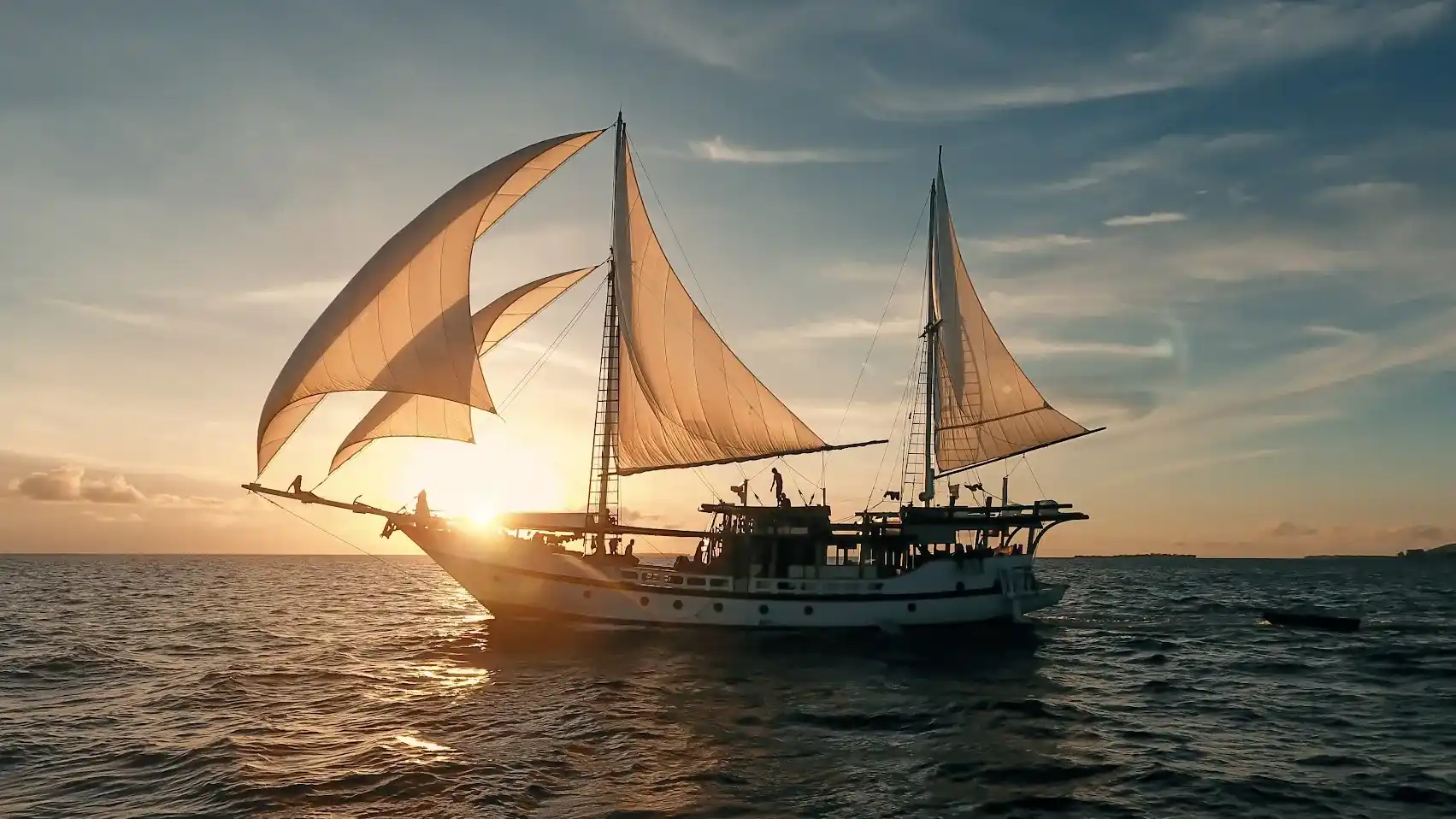
The vessel itself is central to the Komodo experience. A traditional Indonesian phinisi is a two-masted sailing ship, handcrafted from ironwood and teak by the Konjo boat builders of South Sulawesi. These are not merely transport; they are floating boutique hotels. A typical private charter vessel, such as a 30-meter phinisi, will feature 4 to 6 air-conditioned en-suite cabins, a dining salon, and expansive open-air decks for lounging and stargazing. See also: explore Home.

A day on a komodo yacht trip is structured around exploration and relaxation. It might begin with a pre-dawn trek up Padar Island to witness the sunrise over its iconic three bays, followed by breakfast prepared by your private chef. The middle of the day is for marine activities: snorkeling over the vibrant corals of Siaba Besar or diving with sea turtles at Taka Makassar. Afternoons are often reserved for guided treks on Rinca Island to find Komodo dragons in their natural habitat, accompanied by a mandatory park ranger. The day concludes with a sunset cruise, perhaps near Kalong Island to watch thousands of flying foxes depart for the mainland. The cost for an exclusive 3-day, 2-night private charter can range from $3,500 USD for a comfortable, well-appointed vessel to upwards of $15,000 USD for a truly luxurious phinisi with a larger crew and premium amenities.

Wildlife Encounters Beyond the Komodo Dragon

While the prehistoric Komodo dragon is the headline attraction, the biodiversity within the park is staggering. The region sits within the Coral Triangle, an area recognized as the global center of marine biodiversity. Dr. Anya Sharma, a marine biologist with 15 years of research in the area, notes that “Komodo’s powerful currents, fueled by the Indonesian Throughflow exchanging water between the Pacific and Indian Oceans, create a nutrient-rich environment that supports over 1,000 species of fish and more than 260 species of reef-building coral.”

This translates to a profusion of life at every turn. On a single komodo yacht tour, you can expect to encounter:

  • Reef Manta Rays: Especially at Manta Point, where they gather at cleaning stations to have parasites removed by smaller fish.
  • Sea Turtles: Both Green and Hawksbill turtles are common, often seen grazing on sea grass or resting on the reef.
  • Reef Sharks: Whitetip and Blacktip reef sharks are frequently spotted patrolling the reef edges, along with the occasional Grey Reef Shark in deeper waters.
  • Cetaceans: It is not uncommon to spot pods of dolphins, and on rare occasions, even migrating whales during the later part of the dry season.
  • Terrestrial Wildlife: The islands are also home to the Timor deer (the dragon’s main prey), wild boar, water buffalo, and a variety of bird species, including the orange-footed scrubfowl.

Planning Your Labuan Bajo Yacht Tour: Logistics and Considerations

All private charters originate from the harbor town of Labuan Bajo on the western tip of Flores island. The town is served by Komodo Airport (LBJ), which has multiple daily flights from Bali’s Ngurah Rai International Airport (DPS). The flight takes approximately 70 to 90 minutes, with carriers like Garuda Indonesia and Batik Air offering regular service. It is advisable to arrive in Labuan Bajo at least one day prior to your charter’s departure to acclimatize and mitigate any potential flight delays.

A key advantage of a private charter is the ability to customize your itinerary. While standard routes cover the “big three”—Padar Island, Pink Beach, and a dragon trek on Rinca or Komodo—a bespoke plan can take you to less-trafficked sites like the spectacular anchorage at Gili Lawa Darat or the remote northern dive sites. Below is a comparative table to assist in your decision-making.

Feature May – June July – August September – October
Weather Excellent, clear skies Prime, calmest seas Excellent, pleasant
Crowds Moderate High Moderate to Low
Landscape Lush Green Drier, Savannah-like Very Dry, Golden Brown
Dragon Activity High Peak (Mating Season) High
Manta Sightings Good Very Good Peak Season
Booking Lead Time 3-6 months 9-12 months 3-6 months

Is a Komodo Dragon Yacht Tour Right for Your Family?

A private charter is an exceptional option for families, including those with younger children. The controlled environment of the yacht, combined with a bespoke itinerary, allows for an adventure that is both thrilling and secure. Safety is paramount, especially concerning wildlife. On land, treks to see the Komodo dragons—which can grow to 3 meters (10 feet) and weigh 70 kilograms (150 pounds)—are always led by certified park rangers who are experts in the animals’ behavior and carry forked sticks for protection.

The experience is a powerful, living classroom. Children can learn about marine conservation, the principles of sailing, and the unique ecology of the archipelago directly from the crew and guides. Activities can be tailored to all energy levels and interests, from building sandcastles on a deserted beach to learning to identify fish species while snorkeling in a calm, protected bay like those around Kanawa Island. A private komodo dragon yacht tour offers a rare blend of education, adventure, and quality family time away from the distractions of modern life.

Your Next Steps

Timing your expedition correctly is the most critical factor in ensuring a superlative Komodo experience. The dry season from May to October offers a reliable guarantee of excellent conditions, with each month providing a slightly different flavor of adventure. By aligning your travel dates with your personal priorities—be it solitude, wildlife behavior, or landscape photography—you can craft a truly remarkable expedition.

To begin planning your private charter, follow these actionable steps:

  1. Select Your Ideal Window: Use the month-by-month analysis to determine whether the lush green of May, the peak activity of August, or the manta congregations of September best suit your interests.
  2. Consult with a Specialist: A conversation with an expert can help refine your itinerary and select the perfect phinisi for your group’s size and preferences.
  3. Secure Your Charter: Given the demand, particularly from July to August, it is essential to confirm your yacht and book flights to Labuan Bajo (LBJ) well in advance.

For bespoke itinerary planning and to explore our fleet of hand-selected phinisi yachts, please contact our specialists.

Komodo Yacht Tour
Phone: 0811-3941-4563
Email: bd@juaraholding.com
Office: Jalan Sunset Road No. 88, Kuta, Badung, Bali 80361