
Eco-conscious Yacht Tours 2027: Best Practices for Sustainable Travel
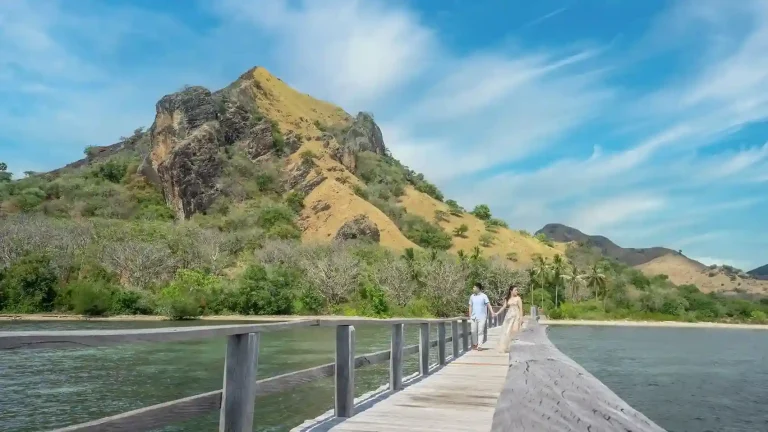
Eco-conscious yacht tours in 2027 focus on sustainable travel practices, embracing green tourism trends to minimise environmental impact while offering an experience.
Introduction to Eco-conscious Yacht Tours 2027
As global awareness of environmental issues intensifies, the tourism industry is evolving to meet these challenges. Eco-conscious yacht tours in 2027 exemplify this shift, integrating sustainable travel practices and green tourism trends to provide environmentally responsible excursions. These tours aim to significantly reduce their carbon footprint while educating tourists on the importance of conservation and responsible travel. For instance, operators are increasingly aware of the need to balance tourism with environmental stewardship, ensuring that their activities do not detrimentally impact the ecosystems they explore.
What are the Best Practices for Eco-conscious Yacht Tours in 2027?
Best practices for eco-conscious yacht tours in 2027 encompass a variety of strategies aimed at sustainability. Key among these is the adoption of renewable energy sources, such as solar and wind power, which are becoming standard features on modern yachts. Additionally, waste reduction strategies are crucial, with operators implementing comprehensive recycling and composting programs. Supporting local conservation efforts also plays a vital role, as does the emphasis on passenger education about green tourism trends and wildlife conservation, which enhances the overall ecotourism experience.
Utilising Renewable Energy Sources
The transition to renewable energy sources marks a significant development in 2027. Yacht operators are increasingly installing solar panels and wind turbines on their vessels, reducing dependence on fossil fuels. Solar panels, for instance, are primarily used to provide auxiliary power, allowing yachts to operate lighting and electronic systems without relying on diesel generators. Wind turbines, meanwhile, assist in propulsion, particularly when conditions are favourable, helping to conserve fuel. Electric engines are also being adopted, significantly cutting emissions and aligning with global efforts to mitigate climate change.
- Solar panels for auxiliary power
- Wind turbines for propulsion assistance
- Electric engines for reduced emissions
These technologies are not only environmentally beneficial but also set a precedent for other sectors within the tourism industry, demonstrating that sustainable operations are both feasible and effective.
Implementing Waste Reduction Strategies
Effective waste management is a cornerstone of eco-conscious yacht tours. In 2027, operators are prioritising strategies that minimise waste production and enhance recycling efforts. Zero-waste policies are becoming more common, with yachts equipped to compost organic waste on board and recycle materials such as plastics and metals. These efforts are supported by advanced waste processing technologies, allowing for more efficient sorting and recycling. By adopting such practices, yacht tours ensure minimal waste is left behind, preserving the natural environments they visit.
- Zero-waste policies on board
- Composting organic waste
- Recycling programs for plastic and other materials
These waste reduction strategies are critical in maintaining the pristine conditions of the coastal and marine areas frequented by yacht tours.
Supporting Local Conservation Efforts
Yacht tour operators are increasingly engaging with local conservation initiatives, contributing to the protection of marine and coastal ecosystems. By collaborating with organisations dedicated to environmental protection, tours support projects such as coral reef restoration and habitat preservation. These partnerships not only aid in environmental conservation but also enrich the cultural and educational dimensions of the tours. Participants can often take part in volunteer activities, such as beach clean-ups or citizen science projects, providing a hands-on approach to conservation.
For more on how we ensure compliance with these practices, visit our safety and compliance page.
Education and Awareness
Raising awareness about environmental issues is a fundamental aspect of eco-conscious yacht tours in 2027. Tours frequently incorporate educational sessions and activities that highlight the significance of protecting marine life and ecosystems. Guests are informed about the impacts of their actions and the broader implications of environmental degradation, fostering a sense of responsibility and commitment to sustainable practices. Such educational components are often tailored to the specific regions being visited, providing relevant and impactful learning experiences for tourists.
Learn more about our commitment to sustainable tourism on our main page.
2027 Note on Eco-conscious Yacht Tours
Looking ahead, the integration of technology and sustainability in yacht tours is poised to advance further. The industry is continuously evolving, with innovations in renewable energy and waste management emerging at a rapid pace. By staying informed on green tourism trends, operators can continue to offer exceptional experiences that respect and preserve our planet. Future advancements may include more efficient solar technologies, enhanced waste processing systems, and further collaborations with environmental organisations to expand conservation efforts.
FAQ
What are the best practices for eco-conscious yacht tours in 2027?
The best practices include using renewable energy, reducing waste, supporting conservation efforts, and educating passengers on sustainability.
How do yacht tours in 2027 utilise renewable energy?
Yacht tours employ solar panels, wind turbines, and electric engines to decrease reliance on traditional fuels and reduce emissions.
Why is waste management important for yacht tours?
Effective waste management reduces environmental impact, ensuring that tours preserve the natural beauty of their surroundings.
Keep reading
More from the journal
Travel Journal
Komodo National Park Drone Rules 2027: Permits, Fees & No-Fly Zones Explained
Yes, you can fly a drone in Komodo National Park, but only with a permit approved by the park authority…

Travel Journal
Komodo Yacht Tour January–April: The Honest Wet-Season Guide (Month by Month)
Yes, you can visit Komodo from January to April. The national park stays open year-round, and yacht tours run in…
Travel Journal
Komodo National Park Entrance Fee 2027: Every Permit, Ranger, and Activity Fee E
The Komodo National Park entrance fee in 2027 is IDR 150,000 (about USD 10) per person on weekdays and IDR…