
Eco-Focused Komodo Yacht Itineraries For 2027+
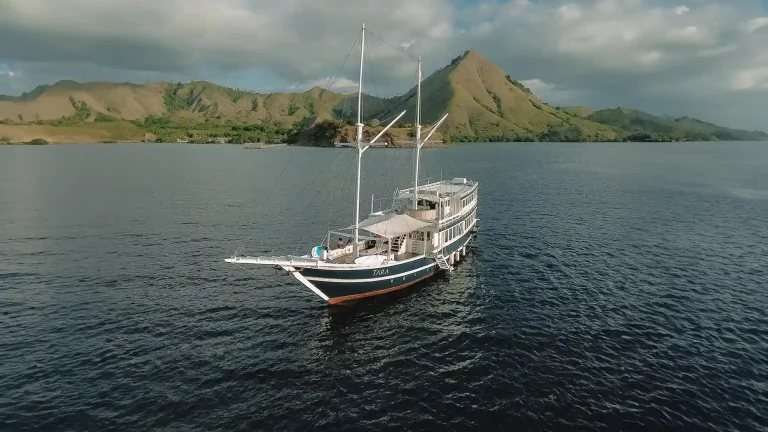
Eco focused Komodo yacht itineraries 2027 onwards prioritise capped guest numbers (often 8–16 guests per boat), 20–30% lower fuel use via hybrid routing, and strict wildlife buffers inside Komodo National Park. Routes now cluster around April–November dry-season windows, limiting sensitive-site landings to a maximum of two per day per yacht.
How will eco focused Komodo yacht itineraries 2027 onwards actually change the route?
From 2027, most eco-focused itineraries are being redesigned around fewer but deeper stops rather than “island hopping at speed”. A typical 3D2N loop from Labuan Bajo now spends 2–3 hours at Padar Island, a full afternoon at Pink Beach, and a structured morning on Komodo Island or Rinca, instead of quick 30–45 minute landings at multiple bays.
Dry season from April–November, with peak water clarity in July–September, remains the core sailing window referenced in park briefings and yacht planning. However, for biodiversity protection, several operators are shifting manta and turtle sites to early-morning or late-afternoon windows by 2027 to avoid midday crowding measured in 2024–2025 snorkel surveys.
These routes also align more strictly with Komodo National Park guidelines: fixed trekking paths on Komodo Island, ranger-accompanied walks, and stricter “no-go” zones during key nesting periods. Shorter repositioning legs mean lower engine hours and less underwater noise, helping reef life around UNESCO-listed islands stay less disturbed while still giving guests time for guided snorkeling and photography.
What onboard practices are changing to make Komodo yachts lower impact by 2027?
The most visible change is water and waste. By 2027, eco-focused yachts are expected to rely almost entirely on desalination systems plus refillable bottles instead of single-use plastics, directly improving drinking water quality onboard yachts while reducing trash offloaded in Labuan Bajo. Clear labeling of tap vs filtered water and regular lab testing are becoming standard.
Cold chain systems are being rethought too. Efficient, well-insulated freezers mean the ice supply for komodo yacht bar can be produced in bulk during generator peak hours, then stored, cutting overall fuel burn. As of August 2026, some premium boats already log daily generator hours for internal audits as part of their sustainability reporting.
Other low-impact steps include energy‑efficient air conditioning on komodo yachts with cabin timers, dimmable LED lighting, and biodegradable bathroom amenities. Crew are increasingly trained to brief guests on protecting gear from salt spray yacht environments without resorting to single-use plastic covers, using dry bags and natural-fibre wraps instead.
To keep vessels running safely for longer without emergency resupply runs, spare parts logistics for komodo yachts are being centralised through Labuan Bajo hubs, batching deliveries and reducing ad-hoc fast-boat trips that burn extra fuel.
How do these eco itineraries balance price, comfort, and low impact in 2027+?
Eco-focused doesn’t mean “bare bones”. As of August 2026, multi-day yacht charters from Labuan Bajo can start around US$2,813 for 2 days and rise to US$6,000+ for 3D2N premium experiences, reflecting higher crew ratios and investments in greener systems. A private charter 3D2N from Bali is listed from about US$5,300 per night for 2026.
Costs will remain above speedboat day tours because overnight yachts carry more crew, fuel, food, and safety equipment, and now also invest in better waste handling and water systems. The trade-off is a slower pace, smaller groups, and less strain on Komodo National Park sites. Guests gain quieter anchorages, better sleep, and time for sunrise and night-sky experiences.
To keep trips accessible, some operators plan komodo yacht tour low season discounts outside the July–August peak, especially late April–early June and October–November. These shoulder periods still sit within the generally stable April–November season, but see lighter crowds and often more flexible pricing for private or shared charters.
Route design also helps costs. By minimising long crossings and using sheltered anchorages, itineraries cut fuel burn, allowing operators to reinvest into better fresh food sourcing and comfortable cabins while holding pricing steady compared with pre-2026 luxury trends.
What new experiences onboard support conservation and culture on these routes?
Education and culture are becoming core parts of eco focused komodo yacht itineraries 2027 onwards. Many itineraries will feature local ranger talks onboard komodo yachts to explain Komodo dragon behaviour, trail etiquette, and why group sizes and viewing distances are strictly controlled. These sessions often happen the evening before Komodo Island or Rinca landings.
To balance quiet nature time with cultural immersion, traditional music performances onboard are scheduled on one or two evenings, using musicians from nearby villages in Flores. This not only adds atmosphere but channels income into local creative communities rather than imported entertainment.
Wellness is growing too. Guided meditation sessions on komodo yachts at sunrise or sunset encourage guests to slow down, tune in to reef and island soundscapes, and reduce high‑impact, high‑adrenaline activity blocks. This pairs naturally with low-light wildlife watching from the deck, instead of extra tender runs that disturb shorelines.
For those keen on content creation, a photographer onboard komodo yacht extra can be arranged, briefed to apply strict no‑flash rules and respect wildlife distances. A drone operator onboard komodo yacht extra will typically be limited to specific time slots and altitude caps, and must comply with local UAV restrictions and park guidance to avoid disturbing birds and mammals.
How do Bali departures and “fly-in Komodo” options fit sustainable travel from 2027?
Bali remains a major gateway, with many guests arriving via Ngurah Rai International Airport before joining yachts. Longer eco itineraries may sail from Benoa Cruise Ship Terminal in Bali to Labuan Bajo, following routes similar to existing Bali–Komodo cruises that end near Komodo Airport (LBJ) for fly-out connections.
By 2027, there is growing focus on consolidating transport legs. Some travellers choose a private komodo yacht tour from Bali in one direction and then return by domestic flight, or vice versa, to limit total sea miles per trip. Others opt for “fly-in Komodo” to Labuan Bajo, then take shorter, focused eco-yacht itineraries within the park area.
The environmental balance depends on group size and length of stay. A carefully planned 3–5 night yacht journey with shared cabins can offset the impact of separate day trips and extra flights, especially when combined with high‑occupancy transport and low‑impact onboard systems.
For couples considering a special occasion such as a honeymoon komodo yacht cruise, combining Bali pre/post-stays with a single, longer Komodo leg can be more sustainable than multiple short visits. The same principle underpins future projected komodo yacht tour demand shift to high value 2027 trends: fewer trips, but deeper and more responsible experiences.
What should guests expect onboard: comfort, safety, and practical eco details?
Comfort remains important alongside sustainability. Most eco-focused yachts keep full-time air conditioning on komodo yachts in cabins, but shift to smart thermostats and encourage natural ventilation in shared spaces where weather allows. Expect clear briefings upon embarkation about power use and quiet hours, especially at anchor in calm bays.
For everyday living, drinking water quality onboard yachts is prioritised via filtered dispensers and regular maintenance of desalination and storage tanks. Guests are often given reusable bottles at check-in. As operators under groups like Juara Holding Group — since 2015 refine their standards, transparent water test schedules are becoming more common.
Gear care is also part of sustainable practice. Crew will advise on protecting gear from salt spray yacht decks using soft cloth covers and dry bags instead of cling film or disposable plastics. Camera rinse buckets use fresh water sparingly to reduce waste, with clear “no soap” rules to avoid discharging chemicals overboard.
Operationally, spare parts logistics for komodo yachts are handled via planned shipments to Labuan Bajo warehouses, allowing preventative maintenance rather than emergency call-outs. This reduces fuel-hungry fast runs and keeps vessels safe and reliable so that itineraries stay predictable for guests and for the park authorities overseeing traffic patterns.
- Typical eco itineraries run 3–5 days within Komodo National Park during April–November dry season.
- As of August 2026, premium private charters from Bali list from about US$5,300 per night for 3D2N.
- Shared or private options can include local ranger talks, meditation sessions, and cultural performances.
- Onboard desalination and refillable bottles provide safe drinking water with reduced plastic use.
- Capped guest numbers (often 8–16) help lower reef impact and improve wildlife viewing etiquette.
- Labuan Bajo and Komodo Airport (LBJ) act as main access points for “fly-in Komodo” eco itineraries.
- Waste and fuel logs are increasingly tracked to support long-term park conservation goals.
Frequently asked questions
apakah akomodasi onboard termasuk?
Pada paket multi-hari, akomodasi onboard hampir selalu termasuk dalam harga charter, mencakup kabin ber-AC, makan harian, dan penggunaan fasilitas dasar kapal. Detail pasti berbeda per kapal, jadi periksa halaman detail komodo yacht tour packages untuk melihat apa saja yang sudah termasuk dan apa yang menjadi biaya tambahan pribadi.
do komodo yachts support local communities?
Banyak yacht Komodo bekerja sama dengan pemandu lokal bersertifikat dari Labuan Bajo, menggunakan bahan makanan dari pasar Flores, dan mengundang musisi lokal untuk traditional music performances onboard. Beberapa juga menyisihkan dana konservasi per tamu dan mendukung program pendidikan lingkungan di desa sekitar, sehingga manfaat pariwisata lebih langsung dirasakan komunitas.
kenapa komodo yacht tour lebih mahal daripada speedboat?
Komodo yacht tour lebih mahal karena mencakup akomodasi malam hari, kru lebih banyak, makan lengkap, bahan bakar lebih besar, dan sistem keselamatan lebih kompleks dibanding speedboat day trip. Investasi tambahan untuk pengolahan air, pengelolaan sampah, dan rencana rute ramah lingkungan juga menambah biaya operasional, namun menurunkan tekanan pada lokasi wisata.
apakah fly-in komodo lebih mahal daripada yacht tour?
Biaya “fly-in Komodo” tergantung harga tiket pesawat ke Komodo Airport (LBJ) ditambah paket kapal lokal. Untuk pasangan, kombinasi tiket dan charter singkat bisa lebih hemat daripada long-range Bali–Komodo yacht. Untuk grup besar atau perjalanan 3–5 malam, satu rangkaian yacht tour dari Bali kadang lebih efisien per orang, terutama di luar puncak musim.
how do low season discounts work on eco Komodo yacht trips?
Operator biasanya menawarkan komodo yacht tour low season discounts di luar puncak Juli–Agustus, misalnya April–awal Juni dan Oktober–November. Diskon ini bisa berupa potongan tarif per malam, gratis anak, atau tambahan aktivitas seperti local ranger talks tanpa biaya ekstra, sambil menjaga standar layanan dan praktik ramah lingkungan yang sama.
To discuss eco-focused routes and 2027+ availability from Bali or Labuan Bajo, contact the Komodo Luxury desk via WhatsApp 628113823875 or email sales@komodoluxury.com.
Last updated 1 August 2026
Keep reading
More from the journal
Sailing & Charters
Komodo Yacht Tours for Seniors: An Honest Accessibility Guide (Padar, Dragons, Boarding)
Yes, seniors and guests with limited mobility can absolutely enjoy a Komodo yacht tour — if the trip is designed…
Sailing & Charters
Do You Need Diving Certification for Komodo? Requirements Explained
No, you do not need a diving certification to visit Komodo — snorkelers can enjoy Manta Point, Pink Beach, and…
Sailing & Charters
Komodo Open Trip Share Cabin Price 2027: Full Per-Person Breakdown
The Komodo open trip share cabin price for 2027 starts from USD 390 per person for a 3-day 2-night (3D2N)…