
Diving Komodo By Liveaboard: Sites Routes And Safety
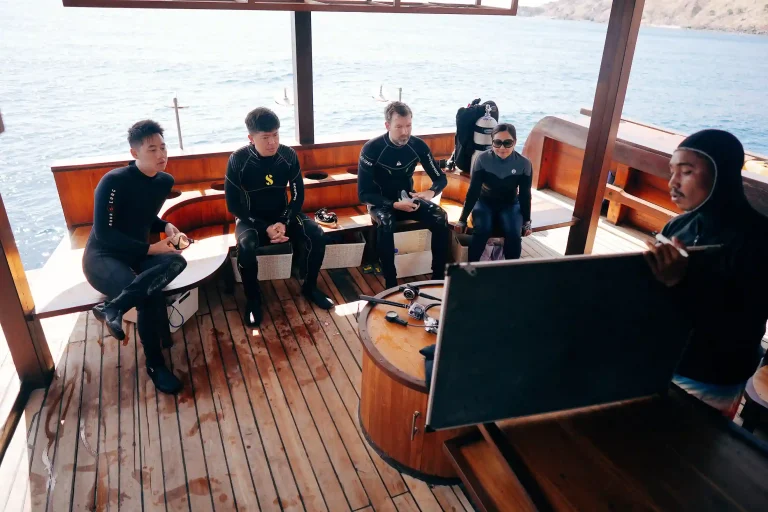
Diving Komodo By Liveaboard: Sites, Routes, And Safety
Diving in Komodo National Park by liveaboard offers a thrilling experience for divers of all levels. With stunning underwater landscapes, rich marine biodiversity, and easy access to the park’s best dive sites, a liveaboard adventure allows divers to maximize their time in this aquatic paradise. Here, we explore the must-visit dive sites, ideal itineraries, safety considerations, and all you need to know to dive Komodo like a pro.
Best Komodo Dive Sites
Komodo National Park is renowned for its exceptional dive sites, each offering distinct experiences. Here are some of the best spots to include in your liveaboard diving itinerary:
- Manta Point: This is one of the most famous dive sites, known for its resident manta rays. Divers can expect to see these gentle giants gliding gracefully through the water, particularly from April to December when they congregate for cleaning. The dive depth is around 15 to 30 meters (49 to 98 feet), and the water temperature ranges between 24°C to 30°C (75°F to 86°F).
- Castle Rock: An advanced diver’s dream, Castle Rock presents strong currents that attract a plethora of marine life, including sharks and large schools of fish. The dive depth here can reach 30 meters (98 feet), making it essential for divers to have the appropriate certification and experience.
- Crystal Rock: Located near Castle Rock, this site features vibrant coral gardens and a diverse array of marine species. The currents here can also be strong, but the beauty of the underwater scenery makes it worth the challenge.
- drift diving at Tatawa Kecil: With its mild currents, this site is perfect for beginners and intermediate divers looking to spot turtles, reef sharks, and colorful corals. The depth is generally around 10 to 20 meters (33 to 66 feet).
- Komodo Night Dive: Night diving from a liveaboard is an exhilarating way to witness the nocturnal marine life. The experience is truly unique, as coral polyps emerge and nocturnal predators come alive. Ensure you have the proper equipment and experience, as visibility can be limited.
Komodo Liveaboard Diving Itineraries
The typical Komodo liveaboard diving itinerary spans anywhere from 3 to 7 days, depending on your preferences and budget. Most itineraries cover at least 10 dive sites, with a mix of day and night dives. Here’s a breakdown of what you can expect on a 5-day liveaboard:
- Day 1: Depart from Labuan Bajo and dive at Manta Point and Crystal Rock. Two dives to get acclimated.
- Day 2: Explore Castle Rock and dive at the nearby Tatawa Kecil. Enjoy a night dive to witness the vibrant underwater nightlife.
- Day 3: Visit the remote dive sites of Gili Lawa and Horseshoe Bay, known for stunning coral and fish diversity.
- Day 4: Spend time at Siaba and Komodo’s north coast, focusing on soft coral and larger pelagic fish.
- Day 5: Enjoy your final dives at Batu Bolong, famous for its underwater topography, before returning to Labuan Bajo.
Prices for a 5-day liveaboard can vary significantly based on the luxury level of the boat and included services, ranging from $500 to $1,500 (7,500,000 to 22,500,000 IDR) per person.
Required Certification for Komodo Diving
Before venturing into the waters of Komodo, it’s essential to have the appropriate diving certification. For most dive sites, a minimum of an Open Water Diver certification is required. However, sites like Castle Rock demand advanced certification due to stronger currents and deeper dives. If you plan to dive at Manta Point or do a night dive, an Advanced Open Water certification is highly recommended.
Understanding Komodo Currents
The currents in Komodo can be unpredictable and vary in strength depending on the dive site and the season. At sites like Castle Rock, you may experience strong and fast-moving water, sometimes reaching up to 5 knots (approximately 9 km/h or 5.6 mph). This can be exhilarating but requires good diving skills. Intermediate divers should be cautious, but with proper guidance and supervision from experienced dive masters, diving in these currents can be safe and rewarding.
Is Komodo Diving Safe for Intermediate Divers?
Yes, Komodo can be a safe diving destination for intermediate divers, provided they choose the right dive sites and are guided by experienced instructors. Intermediate divers can enjoy sites with milder currents, such as Tatawa Kecil and Siaba. It’s important to communicate your experience level with the dive operator, who can tailor the itinerary to suit your skill set.
Nitrox on Komodo Liveaboard Boats
Nitrox diving is available on many liveaboard boats in Komodo, offering divers longer bottom times and shorter surface intervals. Using Nitrox can be beneficial, especially in sites with deeper dives like Castle Rock or Batu Bolong. Expect to pay an additional fee ranging from $50 to $100 (750,000 to 1,500,000 IDR) for Nitrox certification and tank fills, depending on the operator.
Komodo Dive Liveaboard vs Day Trip
Choosing between a liveaboard and a day trip for diving in Komodo depends on your diving goals and preferences. Liveaboards provide the advantage of accessing remote dive sites, offering multiple dives per day and the chance to experience night diving. A typical liveaboard includes accommodations, meals, and dive gear, making it a comprehensive experience.
In contrast, day trips are ideal for those with limited time or budget. However, they focus primarily on nearby dive sites, potentially limiting your exposure to Komodo’s rich underwater ecosystem. Day trips generally cost between $100 to $200 (1,500,000 to 3,000,000 IDR) and include 2 to 3 dives with meals and equipment rental.
Water Temperature for Komodo Diving by Month
Water temperature in Komodo varies throughout the year, significantly impacting the diving experience. Here’s a monthly breakdown:
| Month | Temperature (°C) | Temperature (°F) |
|---|---|---|
| January | 24-26 | 75-79 |
| February | 24-26 | 75-79 |
| March | 25-27 | 77-81 |
| April | 25-28 | 77-82 |
| May | 26-29 | 79-84 |
| June | 26-28 | 79-82 |
| July | 24-26 | 75-79 |
| August | 24-26 | 75-79 |
| September | 24-26 | 75-79 |
| October | 25-28 | 77-82 |
| November | 25-27 | 77-81 |
| December | 25-26 | 77-79 |
These temperatures suggest that a 3mm wetsuit is sufficient for most divers, but experienced divers may opt for thinner suits during warmer months.
FAQ
1. What is the best time to dive in Komodo?
The best time to dive in Komodo is from April to December when marine life is most active, and visibility is optimal.
2. How many dives can I expect on a liveaboard?
A typical 5-day liveaboard offers around 12 to 15 dives, including night dives.
3. Can I rent diving gear on a liveaboard?
Yes, most liveaboards provide rental gear for an additional fee. It’s advisable to check in advance what’s included in your package.
With its breathtaking dive sites and unique marine life, a liveaboard diving trip in Komodo is a must for any diving enthusiast. Whether you’re an advanced diver seeking adventure or an intermediate diver looking to explore stunning underwater landscapes, Komodo offers something for everyone. Don’t miss out on this incredible experience!
Explore more from Komodoyachttour
Keep reading
More from the journal
Sailing & Charters
Komodo Yacht Tours for Seniors: An Honest Accessibility Guide (Padar, Dragons, Boarding)
Yes, seniors and guests with limited mobility can absolutely enjoy a Komodo yacht tour — if the trip is designed…
Sailing & Charters
Do You Need Diving Certification for Komodo? Requirements Explained
No, you do not need a diving certification to visit Komodo — snorkelers can enjoy Manta Point, Pink Beach, and…
Sailing & Charters
Komodo Open Trip Share Cabin Price 2027: Full Per-Person Breakdown
The Komodo open trip share cabin price for 2027 starts from USD 390 per person for a 3-day 2-night (3D2N)…