A komodo yacht tour is an exclusive, immersive journey through Komodo National Park and its surrounding Lesser Sunda Islands in Indonesia. This luxury expedition offers unparalleled access to the legendary Komodo dragons, pristine dive sites teeming with marine life, and secluded beaches, all from the comfort and privacy of a bespoke vessel. It represents the pinnacle of exploration, combining adventure with refined indulgence.
- Dry Season (April-October): Offers the calmest seas and best visibility for diving, ideal for most travelers.
- Shoulder Seasons (March, November): Balances good weather with fewer crowds and potentially better value.
- Wet Season (December-February): Brings lush landscapes, but rougher waters and higher chances of rain.
The morning sun, a liquid gold, spills across the teak deck of your private yacht. A gentle breeze carries the scent of salt and distant frangipani as you sip your coffee, watching the rugged silhouettes of Komodo and Rinca islands emerge from the turquoise expanse. Below the surface, a vibrant tapestry of coral awaits, promising encounters with manta rays and kaleidoscopic fish. Above, the ancient guardians of these islands, the Komodo dragons, stir. This is the promise of a komodo yacht tour, an expedition defined by discovery and unparalleled luxury. But when does this magic unfold most perfectly? Timing your journey is crucial, dictating everything from the clarity of the water to the density of fellow explorers, and even the price of your bespoke adventure. Let’s navigate the seasons to pinpoint your ideal window for this extraordinary Indonesian odyssey.
The Dry Season Sweet Spot: April to October
For many, the dry season represents the quintessential time for a komodo yacht tour. From April through October, the weather patterns in the Lesser Sunda Islands are remarkably consistent: clear skies, minimal rainfall, and gentle breezes. Air temperatures typically hover between 28°C and 32°C, while the water temperature remains a balmy 26°C to 29°C, perfect for extended swims and dives. This period offers the calmest seas, ensuring smooth sailing between islands and comfortable conditions for snorkeling, diving, and land excursions. Visibility underwater often extends beyond 20 meters, reaching up to 30 meters on exceptional days, showcasing the full splendor of Komodo’s famous coral gardens and abundant marine life. However, this prime weather comes with its own considerations: increased visitor numbers and peak season pricing. Charter rates for luxury yachts can see an increase of 15% to 25% compared to shoulder or wet seasons, and booking well in advance—sometimes 8-12 months—is essential to secure your preferred vessel and itinerary.
April & May: The Golden Window
As the last whispers of the wet season fade, April ushers in a period of exceptional beauty. The islands, still retaining a verdant glow from recent rains, begin to dry out, offering a lush backdrop to your adventures. Sea conditions are generally calm, and the crowds, while growing, haven’t yet reached their peak. This month, along with May, often strikes a perfect balance: excellent weather, superb marine visibility, and slightly fewer yachts compared to the mid-dry season. It’s a photographer’s dream, with vibrant landscapes contrasting against the deep blue skies. Marine life is active, with manta rays frequently sighted at popular cleaning stations like Manta Point, and the rich biodiversity of sites such as Batu Bolong and Castle Rock is on full display. Average rainfall in April drops to just 50mm, a stark contrast to the 200mm of January. These two months present an ideal opportunity for those seeking the best of Komodo without the absolute peak season bustle. Plan your Komodo dragon treks early in the morning, before the midday heat, which can reach 32°C by 10 AM.
June to August: Peak Season Prowess
June, July, and August mark the absolute peak of the dry season and, consequently, the busiest period for Komodo National Park. These months coincide with European summer holidays, drawing a significant international contingent. The weather is consistently dry and sunny, with virtually no rain. The ocean is at its calmest, making long passages between distant islands like Padar and Gili Lawa incredibly comfortable. This is prime time for spotting Komodo dragons as they are more active in the dry, warm conditions, and the absence of rain makes tracking them easier. Underwater, the visibility remains excellent, often exceeding 25 meters, creating perfect conditions for exploring the park’s numerous world-class dive sites. However, expect popular anchorages and trekking points to be more crowded. Permits for Komodo National Park, which include entry and conservation fees, are typically around IDR 300,000 to IDR 500,000 per person per day (approximately USD 20-35), and these remain consistent regardless of the season. To ensure a truly exclusive experience during these months, opting for a larger, more secluded luxury yacht with a comprehensive itinerary that includes lesser-known spots becomes even more valuable. Booking your private charter 12-18 months in advance is highly recommended for these peak months.
Transition and Tranquility: March & November
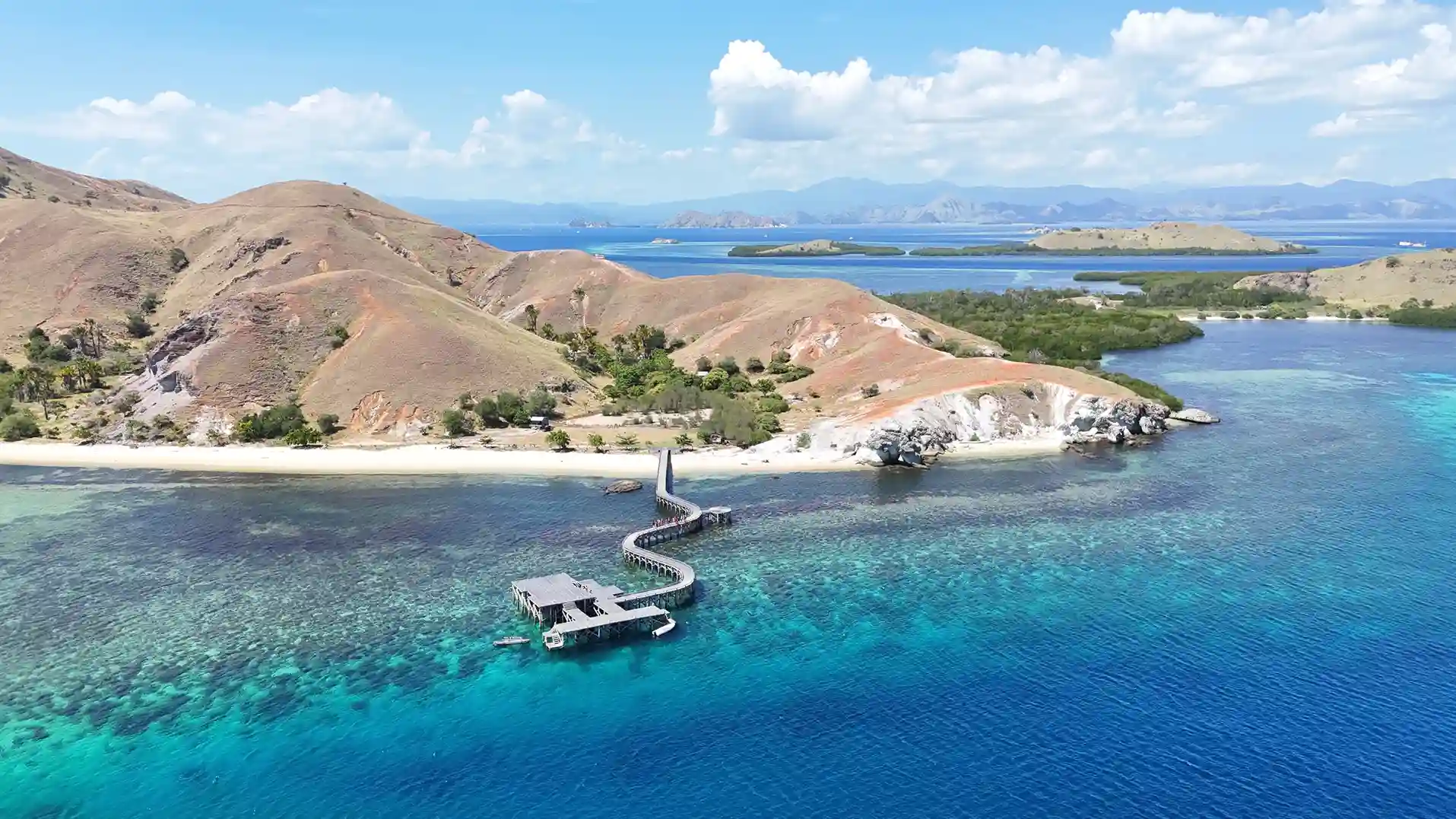
The shoulder seasons of March and November offer a compelling alternative for the discerning traveler. These months serve as transitional periods, bridging the wet and dry seasons, and often provide a delightful blend of favorable conditions with significantly fewer crowds. In March, the tail end of the wet season means the islands are still incredibly lush and green, a vibrant contrast to the drier landscapes of August. There might be occasional brief rain showers, typically in the late afternoon or evening, but these are usually short-lived and often contribute to dramatic sunsets. Sea conditions are generally good, with only moderate chop, and underwater visibility remains strong, often 15-20 meters. November, conversely, marks the approach of the wet season, but the initial weeks usually offer brilliant sunshine and calm waters. The air feels fresh, and the humidity begins to climb slightly compared to the dry season, averaging around 75%. This is a fantastic time for those prioritizing a more intimate experience. You’ll find fewer boats at popular anchorages, and the trekking trails on Rinca and Komodo islands feel more private. Pricing for komodo yacht tour charters in the shoulder seasons can be 10-20% lower than peak rates, offering excellent value without significant compromise on the overall experience. This allows for greater flexibility in itinerary planning and more spontaneous exploration of hidden coves and pristine beaches, like those found around the lesser-visited island of Gili Motang. The chances of spotting elusive marine life, such as dugongs, can also be higher with fewer disturbances.
The Green Season’s Allure: December to February
While often overlooked by those solely chasing guaranteed sunshine, the green season from December to February holds a unique charm for the adventurous and flexible traveler. This period is characterized by the northwest monsoon, bringing higher rainfall and potentially rougher seas, particularly in January. Average monthly rainfall can exceed 200mm, with short, intense tropical downpours. However, these rains transform the normally arid landscapes of Komodo National Park into a vibrant tapestry of greens, a dramatic and beautiful contrast to the parched terrain of the dry season. The air is cooler, and the atmosphere feels refreshed. Crucially, this is the low season for tourism, meaning the park experiences the fewest visitors. You might find yourselves with entire beaches to yourselves and dive sites that feel exclusively yours. Yacht charter prices can drop by 20-30% during this time, making a luxury komodo yacht tour more accessible. While some dive sites, especially those exposed to the open ocean, might experience stronger currents or reduced visibility (dropping to 10-15 meters), many sheltered bays and coral gardens still offer fantastic underwater experiences. The marine life remains abundant, and the cooler water temperatures can sometimes attract different species. It’s a season for those who appreciate dramatic skies, lush scenery, and a profound sense of solitude, understanding that flexibility with the itinerary is key.
December & January: Festive Rains
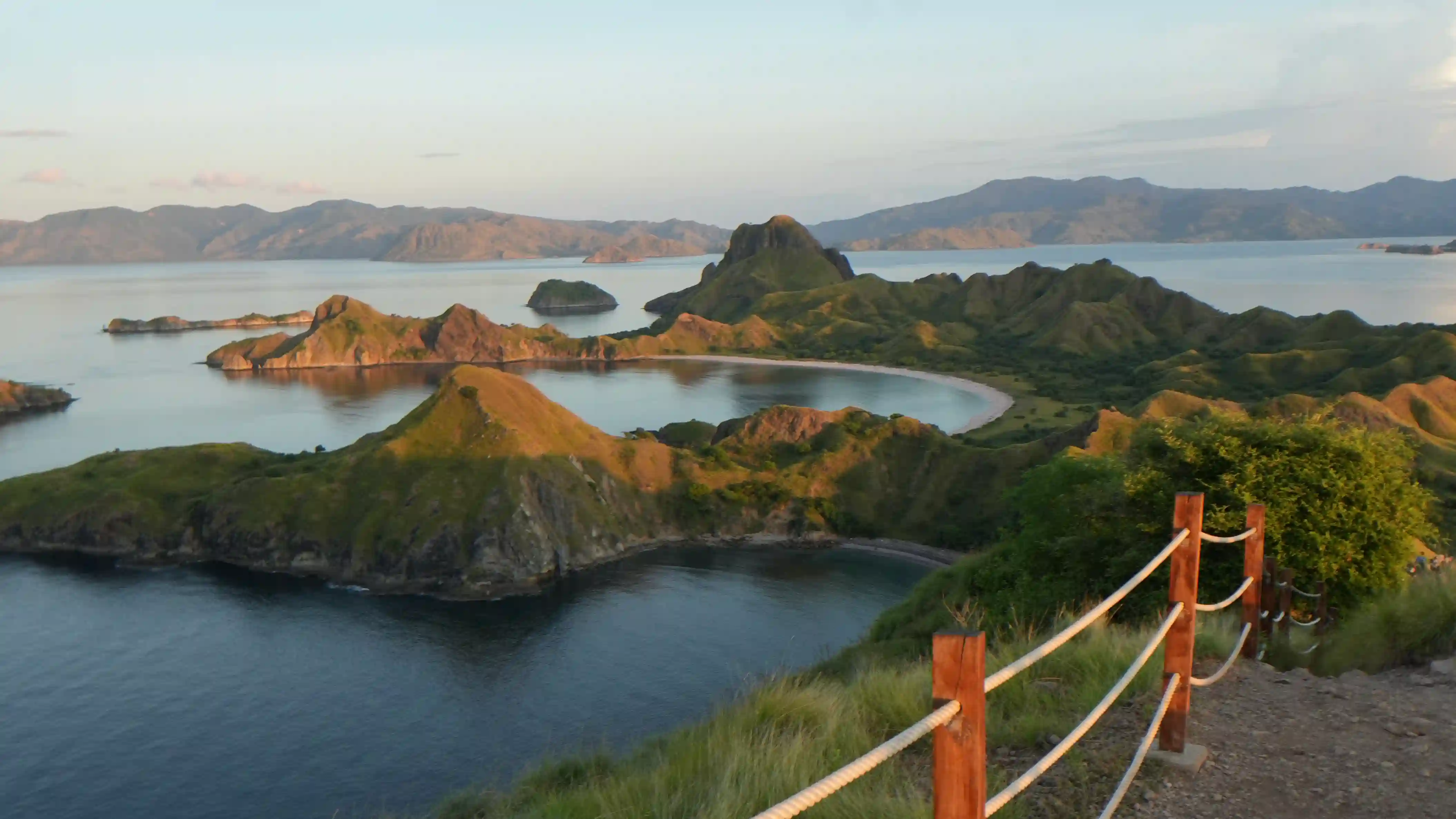
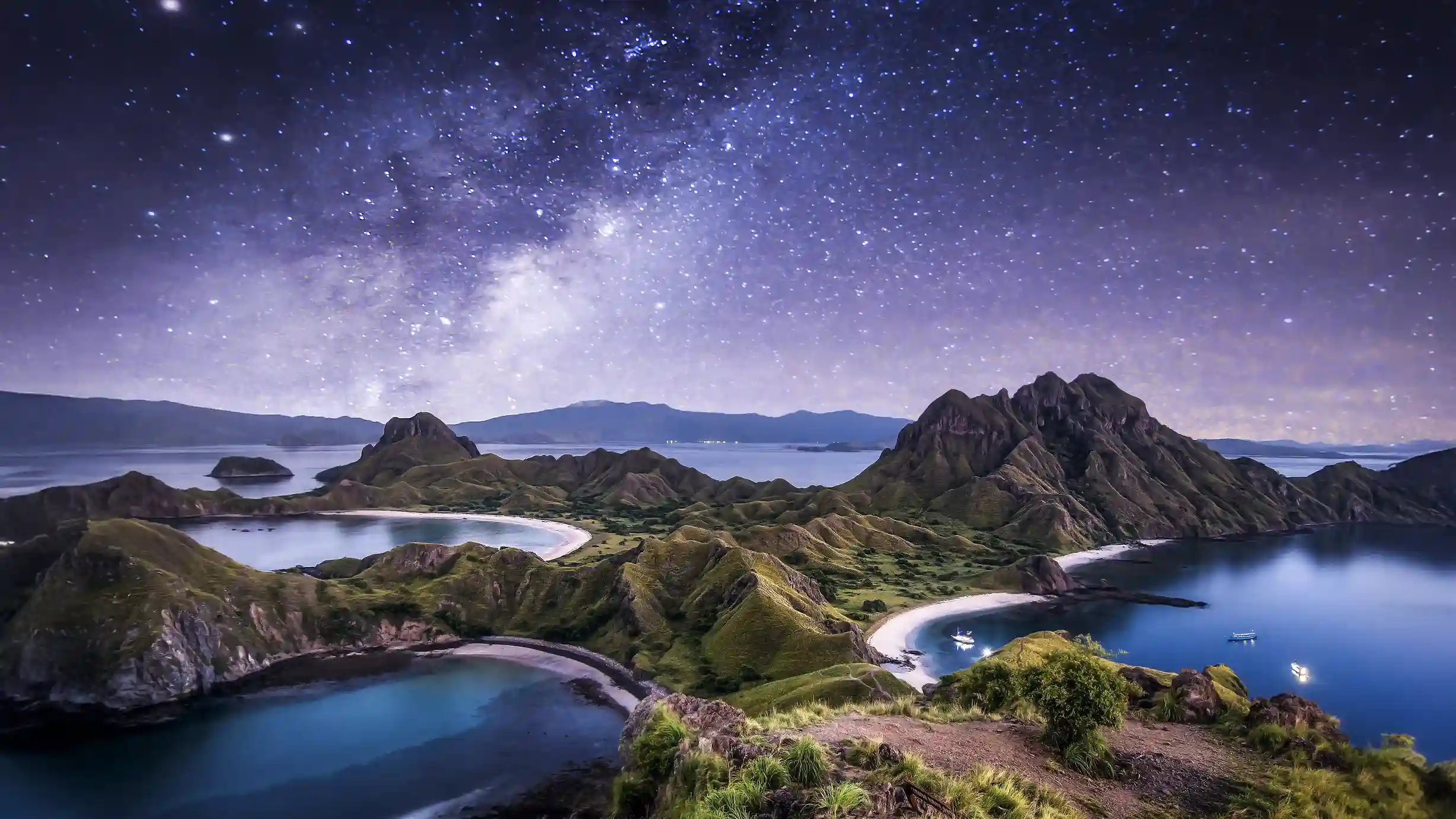
December and January fall squarely within the peak of the wet season. While rainfall is highest, often occurring in short, intense bursts rather than continuous downpours, the festive period can still see a slight uptick in local tourism, though international numbers remain low. The islands are spectacularly green, and the air is humid, averaging around 85%. While a day might see 2-3 hours of rain, there are often long stretches of sunshine too, especially in the mornings. Sea conditions can be unpredictable, with choppier waters and stronger currents possible, particularly around exposed areas. This requires experienced captains and crew, a hallmark of any luxury yacht charter. However, the rewards are fewer crowds at iconic spots like Pink Beach and Padar Island’s viewpoint. You might find yourselves alone on the summit of Padar, taking in the panoramic vista of three distinct beaches. For divers, while visibility can be reduced, the water temperatures remain warm, and the sheer volume of marine life, including various nudibranchs and macro subjects, is consistently impressive. Some operators might offer specialized itineraries focusing on more sheltered dive sites during this period. The cost savings on a premium yacht charter during these months can be substantial, making it an attractive option for budget-conscious luxury travelers.
February: Last of the Lushness
February often represents the tail end of the intense wet season, with rainfall gradually decreasing towards the end of the month. The islands retain their vibrant green hue, providing a stunning natural backdrop. Sea conditions begin to stabilize, becoming less unpredictable than in January, though occasional showers are still common. This month can be a sweet spot within the green season, offering the benefits of reduced crowds and lower prices, with a slightly improved chance of clearer weather. It’s an excellent time for photography, capturing the dramatic clouds and verdant landscapes. The Komodo dragons are still active, and the cooler temperatures make trekking more comfortable. Underwater visibility starts to improve, often reaching 15-20 meters again by late February. For those interested in birdwatching, the lush vegetation of the wet season attracts a variety of avian species, adding another dimension to the island excursions. This period offers a unique opportunity to experience Komodo National Park in its most natural, uncrowded state, providing a truly exclusive and intimate adventure. Remember to pack light rain gear and waterproof bags for excursions ashore.
Navigating Marine Life & Diving Conditions
Komodo National Park is a UNESCO World Heritage Site, renowned globally for its unparalleled marine biodiversity. The best time for a komodo yacht tour often hinges on specific marine encounters. While diving is excellent year-round, certain seasons optimize for particular sightings. Manta rays, for instance, are present throughout the year, but their numbers often peak during the dry season (April-October) when feeding conditions are ideal. Sites like Manta Point and Karang Makassar become bustling with these gentle giants. Visibility in the dry season is consistently superb, allowing for breathtaking underwater photography and extended time exploring the vibrant coral reefs that host over 1,000 species of fish. For macro enthusiasts, the wet season (December-February) can offer unique opportunities, as the slightly cooler, nutrient-rich waters can attract different species of nudibranchs, pygmy seahorses, and other fascinating critters. The famous strong currents of Komodo, which bring nutrients to fuel the incredible biodiversity, are a constant regardless of the season, and experienced dive guides on luxury yachts are adept at navigating these conditions safely. The park’s coral health is generally robust, with dedicated conservation efforts from organizations like the Komodo National Park Authority (Balai Taman Nasional Komodo, komodonationalpark.org) ensuring its preservation. Whale sharks, while rarer, are opportunistic visitors and can be spotted at any time of year, though their presence is never guaranteed. For serious divers, considering the lunar calendar to predict current strength is often more critical than the specific month, as spring tides bring stronger flows. A luxury yacht provides the ultimate flexibility to chase these conditions.
Crowd Dynamics and Pricing Insights
Understanding the interplay of crowds and pricing is vital for planning your luxury komodo yacht tour. The dry season, particularly from June to August, represents peak demand. During these months, not only are yacht charter rates at their highest, but the availability of premium vessels becomes extremely limited. You’ll find more boats at popular anchorages, and iconic trekking spots like the Komodo Dragon viewing areas on Rinca and Komodo islands can experience significant visitor traffic, sometimes with 100-200 people on a single morning trek. The shoulder seasons of March and November offer a sweet spot. Charter prices typically drop by 10-20%, and the number of tourists significantly decreases. This allows for a more tranquil experience, with greater privacy at beaches and dive sites. You might still encounter other boats, but the feeling of exclusivity is markedly enhanced. The wet season, from December to February, is the low season. Yacht charter prices can be 20-30% lower than peak rates, presenting an excellent opportunity for value. Crowds are minimal, often allowing for truly private experiences across the park. However, this comes with the caveat of potentially less predictable weather and sea conditions. When budgeting, consider that a luxury komodo yacht tour typically starts from USD 5,000 per night for a smaller vessel and can exceed USD 20,000 per night for larger, fully crewed superyachts, depending on inclusions and season. These figures are exclusive of national park fees, which are around USD 20-35 per person per day for foreign visitors, as per Indonesia.travel. Fuel surcharges, dive master fees, and bespoke culinary requests may also influence the final cost. Early booking, especially for peak season, is paramount to secure your desired vessel and avoid disappointment.
Crafting Your Bespoke Komodo Experience
Ultimately, the “best” time for your komodo yacht tour is deeply personal, aligning with your priorities. Do you dream of guaranteed sunshine and glassy seas, even if it means sharing the wonders with more fellow travelers? Then the dry season, particularly April-May or September-October, might be your ideal. Perhaps you yearn for solitude, lush landscapes, and the thrill of a wilder Komodo, accepting the possibility of a tropical shower or two? The green season, with its dramatic beauty and lower prices, awaits. Or do you seek a harmonious balance of good weather, fewer crowds, and attractive value? The shoulder months of March and November offer a compelling proposition. Beyond weather, consider your specific interests: dedicated divers might prioritize marine life patterns, while photographers might chase the vivid greens of the wet season or the clear skies of the dry. Each season paints a different portrait of this extraordinary destination, a testament to its dynamic beauty. Your luxury yacht charter provides the ultimate platform for flexibility, allowing your captain and crew to adapt the itinerary to prevailing conditions and your desires. This bespoke approach ensures that no matter when you choose to embark, your journey through Komodo National Park will be an unforgettable tapestry of adventure, relaxation, and unparalleled discovery. Dive into the planning, consult with our expert travel designers, and prepare to set sail on an odyssey unlike any other. The ancient dragons and vibrant reefs of Komodo await your arrival.