
Sustainable And Ethical Komodo Yacht Tourism
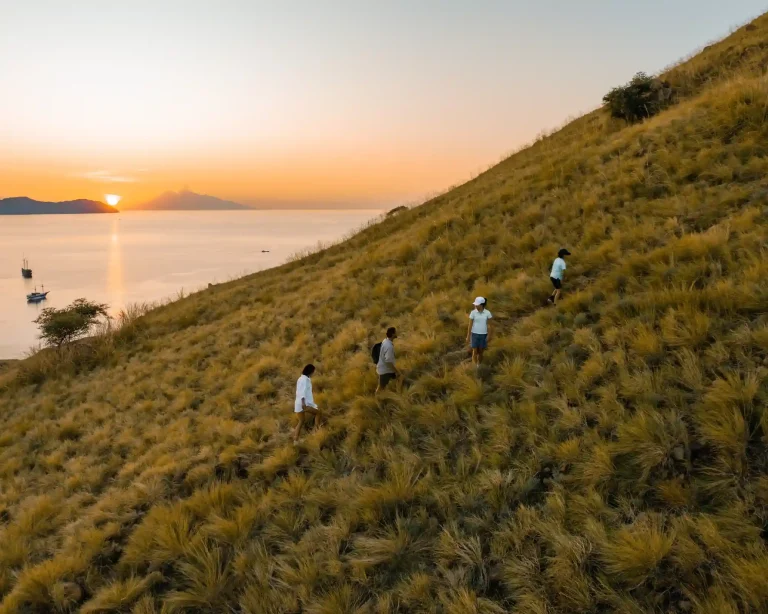
Understanding Sustainable and Ethical Komodo Yacht Tourism
Sustainable and ethical yacht tourism in Komodo refers to travel practices that minimize environmental impact while promoting local culture and wildlife conservation. As travelers flock to this UNESCO World Heritage site, understanding how to visit responsibly is increasingly vital. This guide will help you navigate eco-friendly options, community-based tourism, and practices that protect this unique ecosystem.
The Impact of Tourism on Komodo National Park
Tourism significantly impacts Komodo National Park, a haven for biodiversity, including the famous Komodo dragons. In 2022, over 200,000 visitors explored the park, and projections suggest that this number could reach 250,000 by 2026. This surge poses challenges: pollution, habitat degradation, and disturbances to wildlife can all arise from unchecked tourist activity.
To mitigate these effects, both tourists and operators must prioritize sustainable practices. For instance, each yacht trip should consciously limit group sizes, ensuring that the number of visitors remains manageable for sensitive areas. Implementing strict guidelines around where to anchor, swim, or explore keeps the park’s ecological balance intact.
Eco-Friendly Komodo Yacht Operators
When choosing a yacht operator, it’s crucial to select eco-friendly ones that adhere to sustainable practices. Operators like Wakatobi Dive Resort and Komodo Dive Center have made significant commitments to sustainability, employing solar energy, waste-reduction strategies, and providing comprehensive education to guests. Prices for a 5-day liveaboard tour may start around $1,200 (18 million IDR) per person, including meals and diving excursions.
In 2023, the emphasis on eco-friendly practices is not just a trend—it’s becoming a necessity. You might find operators that offer carbon offset options for their trips. Essentially, this means that a portion of your fare goes toward environmental projects that help combat carbon dioxide emissions, making your trip more sustainable.
Ethical Komodo Dragon Viewing Guidelines
Experiencing the majesty of Komodo dragons can be a highlight of your trip, but it’s vital to follow ethical viewing guidelines to ensure these incredible creatures are not disturbed. Always maintain a safe distance of at least 10 feet (3 meters), and avoid feeding them, as this can alter their natural behaviors and potentially create dangerous situations.
Guided tours usually start in Komodo Island or Rinca Island, with fees ranging from $10 to $30 (150,000 to 450,000 IDR) depending on the operator. These fees contribute to local conservation efforts, so it’s essential to choose a reputable guide who respects the regulations set by the park.
Plastic-Free Komodo Yacht Tips
Reducing plastic waste is essential for preserving Komodo’s pristine waters. Here are some practical tips for ensuring a plastic-free yacht experience:
- Bring Reusable Water Bottles: Many yacht operators now provide refill stations, so bring your own bottle to reduce single-use plastic.
- Pack Snacks in Reusable Containers: Avoid single-use plastic bags by using small, reusable containers for your snacks.
- Choose Eco-Friendly Sunscreens: Many common sunscreens contain harmful chemicals that damage corals. Opt for reef-safe sunscreen brands listed as mineral-based, which will not harm marine life.
By adopting these practices, visitors can significantly decrease their environmental impact while enjoying the natural beauty of the region.
How to Visit Komodo Responsibly
Responsible tourism starts with education and awareness. Here are some actionable steps to take while visiting Komodo:
- Participate in Community-Based Tourism: Engage with local communities in Labuan Bajo. This could involve home-stays, cultural tours, or artisan workshops that support the local economy directly.
- Respect Wildlife: Avoid touching or getting too close to animals, whether on land or in the water. Observing from a distance helps maintain their natural behaviors and habitat integrity.
- Support Local Guides: Hire local guides who understand the ecology and culture of the region. They can provide valuable insights while ensuring that tourism benefits the community.
Carbon Offset for Komodo Yacht Trips
As awareness around climate change grows, many travelers are seeking ways to offset their carbon footprint. Some yacht operators offer carbon offset programs where guests can contribute to reforestation projects or renewable energy initiatives. For example, a standard 5-day liveaboard trip may generate around 1,200 kg of CO2 emissions. Contributing $15 to $30 (250,000 to 450,000 IDR) towards offset projects can help mitigate this impact.
Make sure to inquire whether your operator participates in any carbon offset programs when booking your trip. Your contribution can help promote long-term sustainability efforts in the region.
Choosing Sustainable Liveaboards in Indonesia
Selecting the right liveaboard can make all the difference in your experience and the impact it has on the environment. Here are some factors to consider:
- Waste Management: Ensure the liveaboard has systems in place to manage waste, including recycling and proper disposal.
- Water Conservation: Look for boats that use water-saving practices, such as low-flow showers and toilets.
- Local Sourcing: Choose operators that source their food locally to reduce transportation emissions and support the local economy.
Prices for sustainable liveaboards vary widely, but starting rates are generally around $100 to $300 per night (1.5 million to 4.5 million IDR), depending on the amenities and trip length. Investing a bit more can lead to a better experience that aligns with your values.
Raising Awareness and Future Directions
To ensure the longevity of Komodo’s unique ecosystems and communities, education and awareness must be at the forefront of tourism initiatives. Whether you’re a first-time visitor or a seasoned traveler, understanding the impact of your actions can significantly influence the preservation of this breathtaking destination.
As the waves lap against the shores of Komodo, it’s our responsibility to protect this beautiful region for future generations. Eco-friendly practices and ethical tourism can make a world of difference, ensuring that the natural and cultural treasures of Komodo endure.
Frequently Asked Questions
1. Can I feed mantas in Komodo?
No, feeding mantas or any wildlife is prohibited in Komodo National Park. It disrupts their natural feeding behavior and poses risks to both the animals and visitors.
2. What should I pack for a sustainable yacht trip?
Consider bringing reusable water bottles, reef-safe sunscreen, and biodegradable toiletries. Also, opt for snacks in reusable containers to minimize waste.
3. Are there local communities involved in tourism?
Yes, community-based tourism initiatives allow travelers to engage with local cultures, supporting families and preserving traditions while enriching the visitor experience.
As you plan your adventure in Komodo, consider choosing sustainable practices and supporting local communities to contribute to a more ethical tourism experience.
Explore responsibly and help protect the wonders of Komodo for generations to come.
Explore more from Komodoyachttour
Keep reading
More from the journal
Travel Journal
Komodo National Park Drone Rules 2027: Permits, Fees & No-Fly Zones Explained
Yes, you can fly a drone in Komodo National Park, but only with a permit approved by the park authority…
Travel Journal
Komodo Yacht Tour January–April: The Honest Wet-Season Guide (Month by Month)
Yes, you can visit Komodo from January to April. The national park stays open year-round, and yacht tours run in…
Travel Journal
Komodo National Park Entrance Fee 2027: Every Permit, Ranger, and Activity Fee E
The Komodo National Park entrance fee in 2027 is IDR 150,000 (about USD 10) per person on weekdays and IDR…